a-p-moller-maersk-5
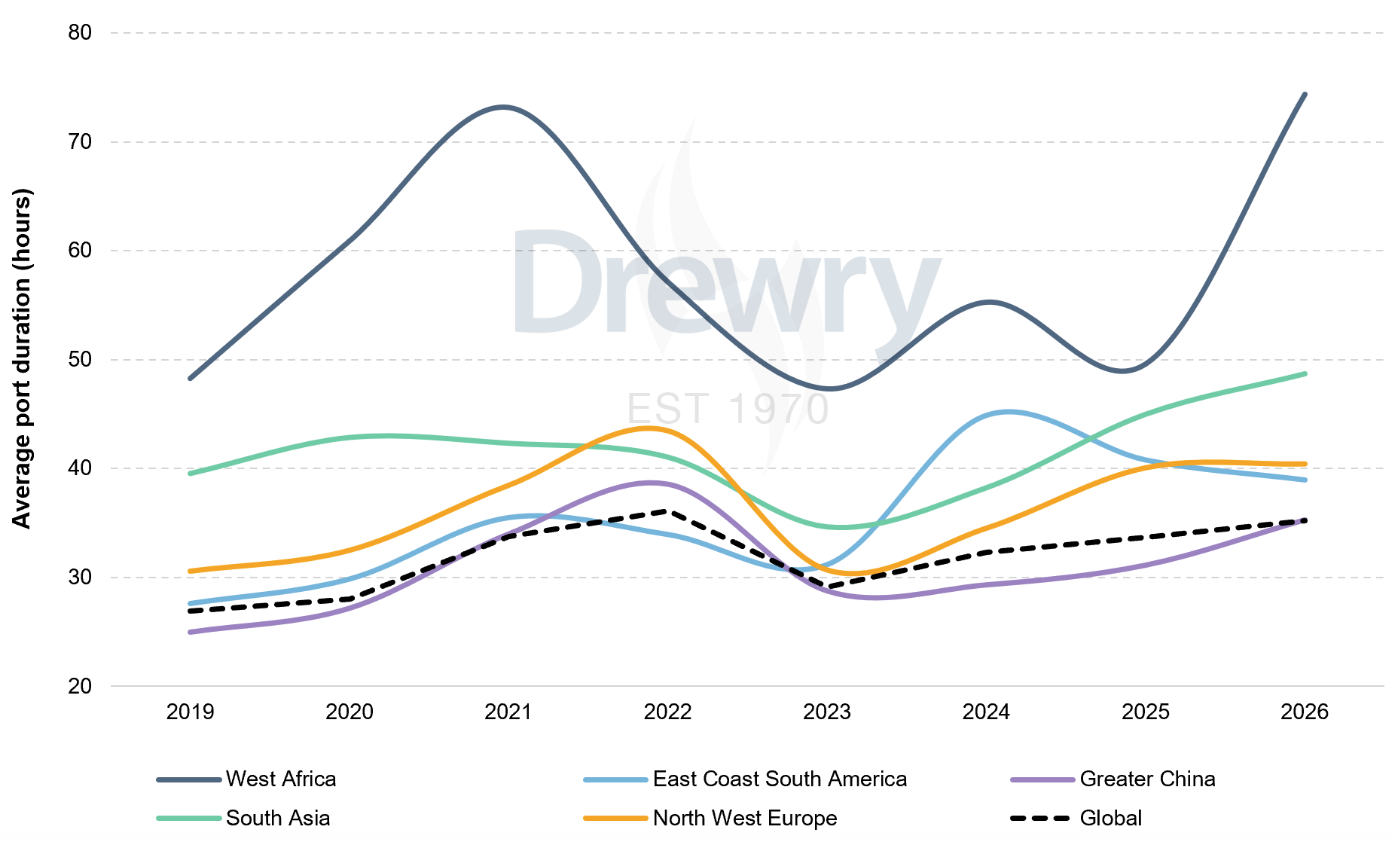
Worsening container port congestion is exposing a fundamental disagreement over what is causing it: too little investment in terminal capacity, or an industrywide drive for higher asset utilization that has left the supply chain with too little room for disruption.
A.P. Moller-Maersk CEO Vincent Clerc recently pointed to roughly 15 years of lagging terminal investment as container ships face congestion in several major trading regions. Drewry agrees that port congestion risk ...
[+]
The investment will give Hapag-Lloyd long-term capacity at the expanding Maasvlakte II terminal, a key European hub for the Gemini Cooperation.
Hapag-Lloyd has agreed to acquire a 25 percent stake in APM Terminals Maasvlakte II in Rotterdam, strengthening the carrier’s access to automated terminal capacity at a key European hub for ...
[+]
Hapag-Lloyd reported improved volumes and freight rates in the second quarter, but an estimated US$600 million in additional costs related to the Middle East conflict weighed heavily on earnings.
The Hamburg-based container carrier reported Q2 group revenue of US$5.84 billion, up nearly 11 percent from US$5.27 billion a year earlier. EBITDA ...
[+]
A.P. Moller-Maersk sharply raised its full-year earnings outlook after stronger freight rates, growing container volumes and widespread supply chain disruption helped drive a more than fourfold increase in second-quarter Ocean operating profit.
Maersk reported second-quarter revenue of US$15.8 billion, up 20 percent from US$13.1 billion a year earlier. EBITDA increased to ...
[+]
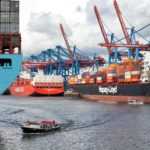
A.P. Moller-Maersk said its East-West Network, launched under the Gemini Cooperation with Hapag-Lloyd, has achieved schedule reliability above 90 percent in North America, underscoring efforts by ocean carriers to improve consistency after years of supply chain disruption.
The network, introduced in February 2025, marked a major overhaul of east-west trade lanes. ...
[+]