Feature
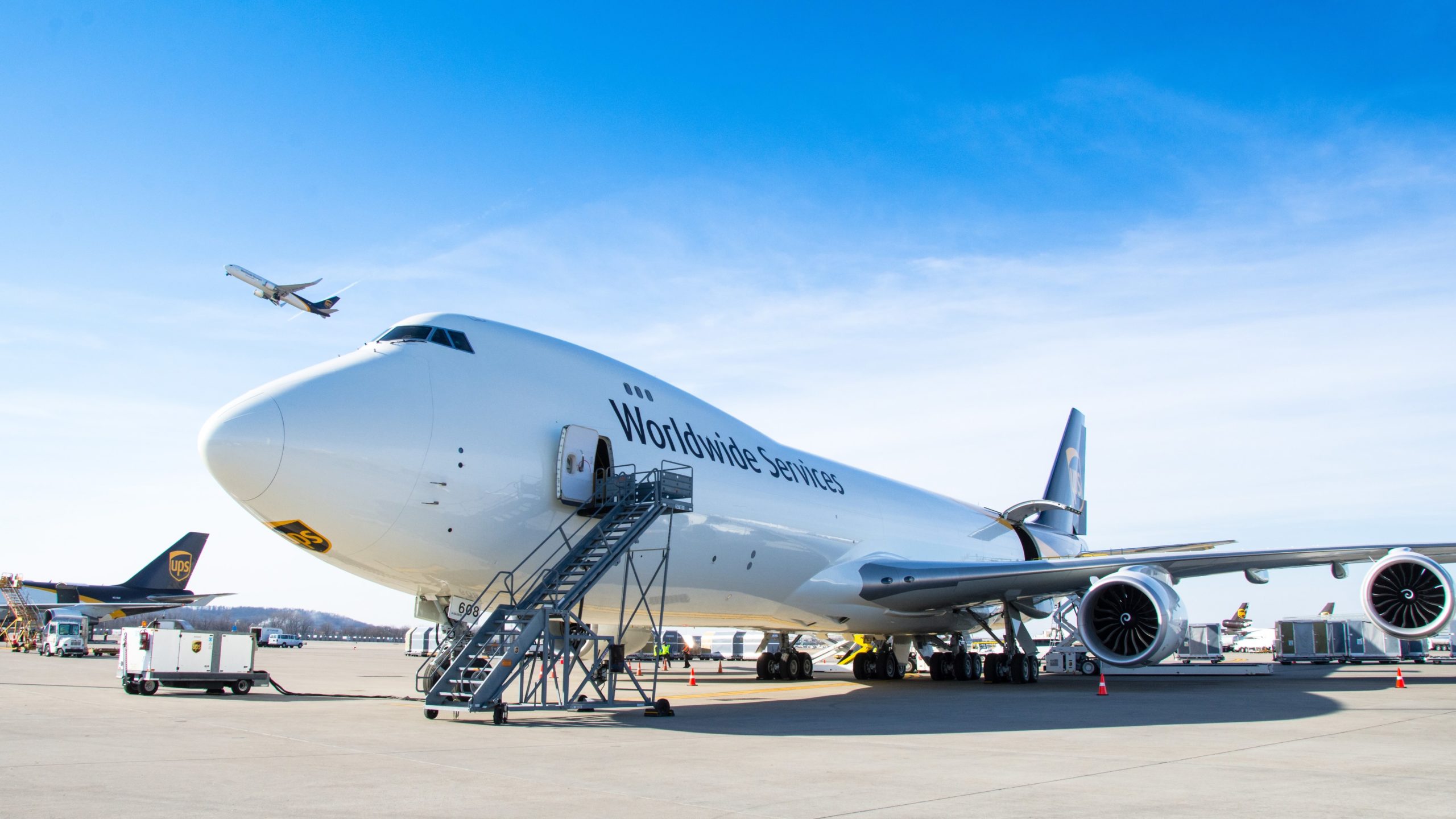
UPS is reorganizing its operating structure around a more globally integrated logistics network as the company shifts its attention from domestic network restructuring toward international, healthcare and supply chain growth.
The changes, effective Sept. 1, follow UPS's completion in June of its Amazon volume reduction and associated network reconfiguration. UPS said the new operating model is intended to standardize critical processes globally while retaining flexibility for individual markets.
Nando Cesarone was named ...
[+]

The U.S. Department of Transportation and Port of Corpus Christi have signed an agreement to explore small modular reactor technology for maritime applications, making Corpus Christi the second major U.S. port to join the Maritime Administration's developing nuclear maritime initiative.
Under a memorandum of cooperation signed ...
[+]
Descartes Systems Group has acquired freight brokerage technology provider Tai Software for about US$100 million, expanding its transportation management capabilities and adding shipment and carrier execution data to its Global Logistics Network.
California-based Tai provides an AI-enabled transportation management system for freight brokers covering truckload, less-than-truckload, ...
[+]
AAL Shipping has completed a 12,000-freight-ton shipment of heavy power generation equipment from Asia to Houston for a major U.S. natural gas power development.
The project cargo movement comprised 195 individual units transported aboard the 31,000-deadweight-ton AAL Kobe, one of AAL Shipping's A-Class multipurpose heavy-lift vessels.
The ...
[+]
The Trump administration has extended its Jones Act waiver for another 90 days, continuing to allow foreign-flag vessels to move certain cargoes between U.S. ports as the government seeks to ease energy supply pressures stemming from disruptions in the Middle East.
The latest extension took effect ...
[+]
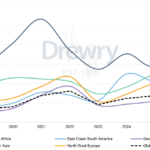
Worsening container port congestion is exposing a fundamental disagreement over what is causing it: too little investment in terminal capacity, or an industrywide drive for higher asset utilization that has left the supply chain with too little room for disruption.
A.P. Moller-Maersk CEO Vincent Clerc recently ...
[+]
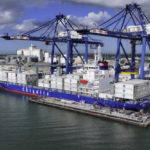
Chiquita Fresh North America and TA Dedicated are marking 20 years of a transportation relationship supporting the movement of bananas from U.S. ports into the grocery distribution network.
The partnership represents the inland portion of a highly specialized cold chain in which maintaining temperature, transit times ...
[+]
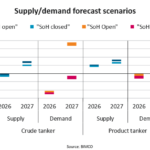
Tanker demand is weakening as disruptions to oil exports from the Persian Gulf, Red Sea and Russia reduce seaborne cargo volumes, according to BIMCO's August Tanker Shipping Market Overview and Outlook.
BIMCO forecasts crude tanker demand will fall 10.5 percent to 12.5 percent in 2026 if ...
[+]

The consolidated PC14–17 facility will handle nearly 40 percent of the Port of Kobe’s foreign-trade containers, according to the carrier.
Kawasaki Kisen Kaisha, or “K “Line, will begin operations at the Kobe International Container Terminal’s PC14–17 complex on Sept. 1, the Japanese carrier announced Wednesday.
The terminal ...
[+]
The two organizations plan to coordinate regulatory advocacy and share technical information on marine fuels, emissions compliance and fleet technology.
The Clean Shipping Alliance and Marine Fuels Alliance have signed a two-year memorandum of understanding aimed at helping ship operators and bunker suppliers navigate emissions regulations ...
[+]
« Back
More »