







Archives
Feature, Freight News, Logistics, Rail, Road, Sea
AI Strategy, Discipline Lift CH Robinson’s Q2
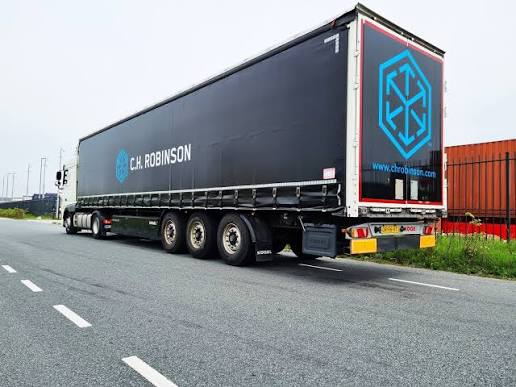
[ August 4, 2026 // Gary Burrows ]C.H. Robinson reported improved second-quarter earnings as productivity gains from its Lean AI strategy and continued cost discipline helped offset a freight market that remains uneven across transportation modes.
The global logistics provider said its results reflected continued market share gains and improved operating efficiency as the company expanded the use of artificial intelligence and automation across its freight operations. Management said those initiatives continue to improve execution for both shippers and carriers while supporting long-term earnings growth.
CEO Dave Bozeman said the company is “building tomorrow’s supply chains” by combining logistics expertise with AI-enabled technology to improve customer service and productivity. C.H. Robinson has increasingly positioned its Lean AI platform as a competitive differentiator, automating routine tasks while allowing employees to focus on more complex supply chain decisions.
The company said freight market conditions remained mixed during the quarter. Truckload markets continued to tighten while international forwarding experienced ongoing volatility as shippers adjusted sourcing strategies and trade lanes in response to tariffs and geopolitical uncertainty. Even so, management said disciplined pricing, productivity improvements and market share gains supported profitability.
C.H. Robinson has spent the past several years reducing costs, streamlining its workforce and investing heavily in technology as freight markets emerged from a prolonged downturn. Those efforts have improved operating leverage, allowing the company to generate stronger earnings even without a broad-based recovery in freight demand.
The company manages about 37 million shipments annually, works with 75,000 customers and 450,000 contract carriers, and handles roughly US$23 billion in freight each year across truckload, less-than-truckload, ocean, air and customs brokerage services.
For the logistics industry, the quarter reinforced a broader trend emerging among large third-party logistics providers: technology investment and productivity improvements are increasingly separating financial performance from underlying freight market conditions, enabling operators to protect margins despite continued demand uncertainty.
Tags: C.H. Robinson