







Archives
Feature, Freight News, Logistics, Sea
UNCTAD, Singapore Partner on Green Ports Push
[ April 24, 2026 // Gary Burrows ]UN Trade and Development and the Maritime and Port Authority of Singapore have launched a partnership aimed at accelerating the shift to lower-emissions, more resilient port operations, as governments and operators face mounting pressure to decarbonize global shipping.
The agreement, announced April 22 in Geneva alongside meetings tied to the IMF-World Bank Spring Meetings, will focus on scaling cleaner fuels, digitalization and operational best practices across ports, with a particular emphasis on developing economies.
Ports handle more than 80 percent of global trade by volume, according to UNCTAD, but remain energy-intensive and heavily dependent on fossil fuels. The sector is under increasing scrutiny as regulators and cargo owners push toward net-zero supply chains, while recent disruptions in the Red Sea and Strait of Hormuz have underscored the need for greater resilience.
“This partnership brings together Singapore’s operational excellence and UNCTAD’s global development expertise,” said Pedro Manuel Moreno, acting secretary-general of UNCTAD, in a statement.
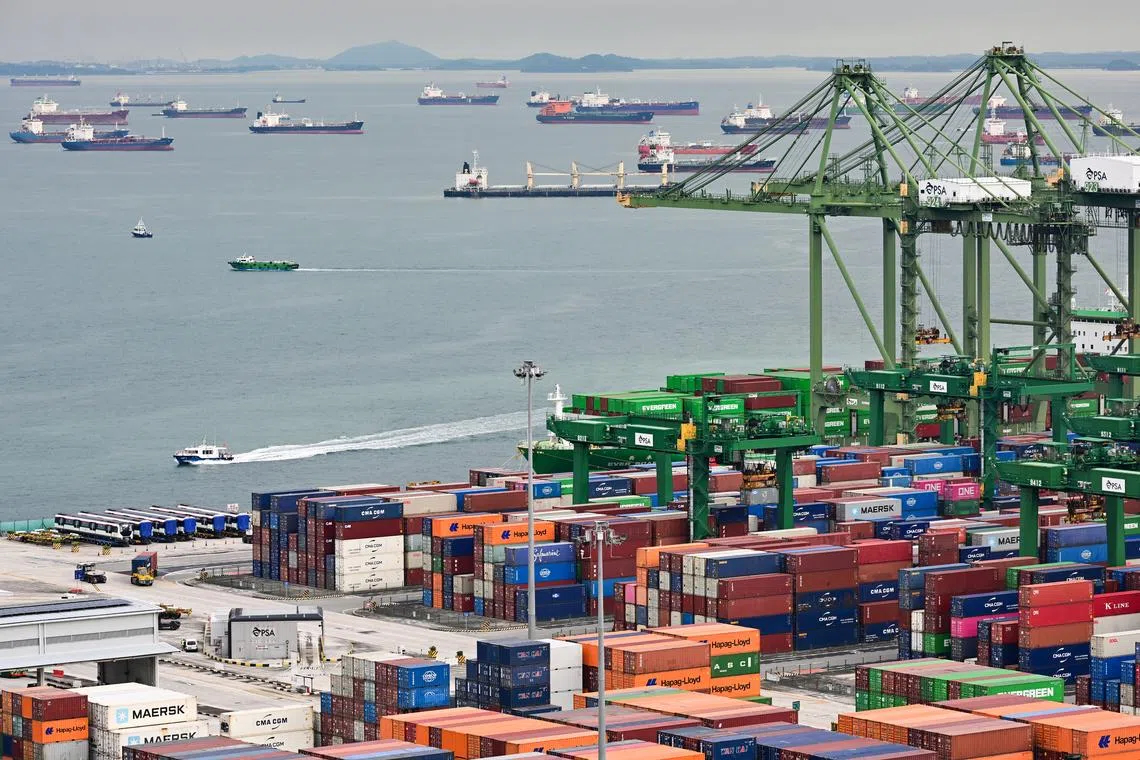
Singapore, one of the world’s largest transshipment hubs, has been a focal point for maritime decarbonization efforts, including trials of alternative fuels such as ammonia and methanol, as well as investments in port digitalization and automation.
Under the partnership, the two organizations will promote adoption of cleaner marine fuels and digital port systems, while supporting workforce training and financing frameworks needed to deploy new technologies. The initiative will also expand technical assistance to developing countries, which often face funding and infrastructure constraints in meeting new environmental standards.
Industry data from the International Maritime Organization shows shipping accounts for roughly 3 percent of global greenhouse gas emissions, with ports and related landside operations contributing a growing share as cargo volumes increase.
Analysts say the transition presents a complex balancing act. While electrification of port equipment, shore power adoption and alternative fuels can reduce emissions, they require significant capital investment and coordination across shipping lines, terminal operators and governments.
The UNCTAD-MPA initiative is expected to feed into preparations for the UN Global Supply Chain Forum later in 2026, where policymakers and industry stakeholders will address trade resilience and infrastructure gaps.
The move also reflects a broader push within the international financial system to better align development funding with climate and trade priorities, particularly for emerging markets seeking to modernize port infrastructure without undermining competitiveness.
Tags: International Monetary Fund, Maritime and Port Authority of Singapore, UN Trade and Development