







Archives
Business, Feature, Freight News, Logistics
Trump to Suspend De Minimis Exception Aug. 29
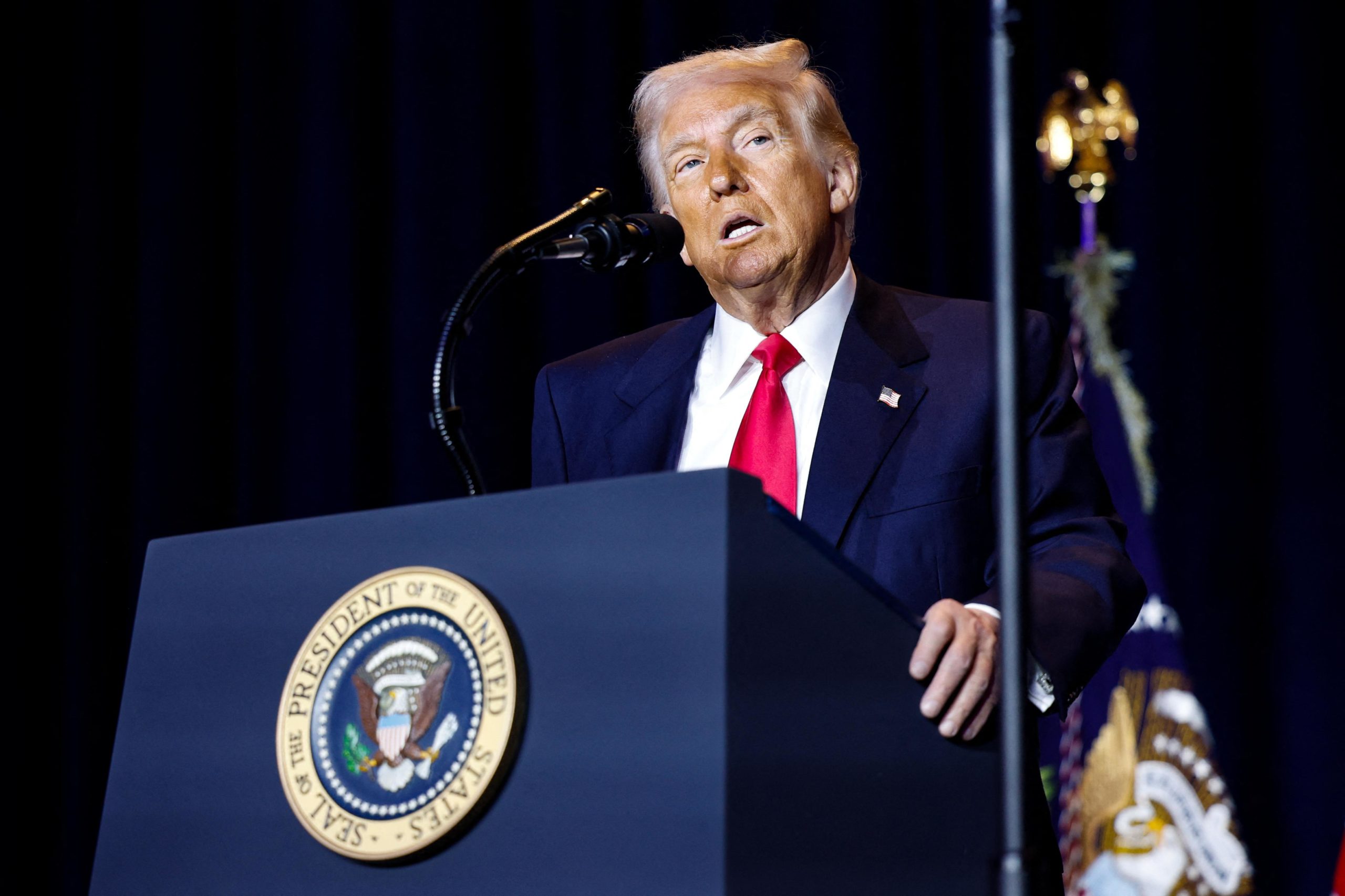
[ August 1, 2025 // Gary Burrows ]President Trump on July 30 issued an executive order suspending commercial de minimis entries from all countries as of Aug. 29.
Trump said he is taking this action under the International Emergency Economic Powers Act, or IEEPA, to prevent evasion of the “reciprocal” tariffs he imposed in response to a declared national emergency regarding U.S. trade deficits.
The de minimis exemption allows informal, duty-free entry of articles that have a retail value of US$800 or less and are imported by one person in one day. However, the White House claimed the exemption “has been abused, with shippers sending illicit fentanyl and other synthetic opioids, precursors and paraphernalia into the United States in reliance on the lower security measures applied to de minimis shipments.” These shipments also account for most cargo enforcement actions, and the burgeoning shipments have resulted in “significant lost revenue” from import duties.
Trump had already eliminated de minimis entries as of May 2 for low-value packages from China and Hong Kong, which the White House said account for the majority of de minimis shipments to the U.S. The president also recently signed into law a bill that will:
• Terminate the de minimis exception for commercial shipments from all countries as of July 1, 2027.
• Impose a penalty on those who use the de minimis exception before that date to import goods in violation of any other U.S. law (US$5,000 for the first violation and US$10,000 for each subsequent violation).
Trump said he is moving faster than what the bill provides to “save American lives and businesses now.” A report from trade attorney Sandler, Travis and Rosenberg, or STR, said that Trump ordered that, effective with respect to goods entered or withdrawn from warehouse for consumption on or after 12:01 am EDT on Aug. 29, imported goods sent through means other than the international postal network that are valued at or under US$800 and that would otherwise qualify for the de minimis exemption will be subject to all applicable duties, taxes, fees, exactions, and charges. Exemptions allowing U.S. travelers to bring back up to US$200 in personal items and individuals to receive bona fide gifts valued at US$100 or less duty-free will remain in place.
For packages shipped through the international postal system, carriers will be required to collect and remit:
• A duty equal to the effective IEEPA tariff rate applicable to the country of origin of the product.
• Or a duty ranging from US$80 to US$200 per item depending on the effective IEEPA tariff rate applicable to the country of origin of the product – US$80 if the tariff rate is under 16 percent, US$160 if the tariff rate is between 16 percent and 25 percent inclusive, and US$200 if the tariff rate is above 25 percent. The latter option will be available for six months, after which all applicable shipments must comply with the other methodology.
The “effective IEEPA tariff rate” means the combination of all tariffs imposed under IEEPA to date, subject to the stacking rules established in April.
The president said the Commerce Department notified him that adequate systems are in place to “fully and expeditiously process and collect duties for articles otherwise eligible for duty-free de minimis treatment on a global basis.”
The executive order will therefore require shipments otherwise qualifying for de minimis treatment (other than those sent through the international postal network) to be filed using an entry type in the Automated Commercial Environment by a party qualified to make such entry, according to STR. However, with U.S. Customs and Border Protection processing more than 4 million de minimis shipments each day, the trade community has raised concerns about CBP’s ability to complete formal entry procedures for such shipments in a timely manner.
CBP is authorized by the executive order to require a basic importation and entry bond for informal entries valued at or less than US$2,500. In addition, any carrier that transports international postal shipments to the U.S., by any mode of transportation, must have an international carrier bond to ensure payment of the duties described in the order.
Tags: IEEPA