






Archives
Feature, Freight News, Logistics, People, Sea
Trump-Iran Deal Opens Hormuz, Raises Questions
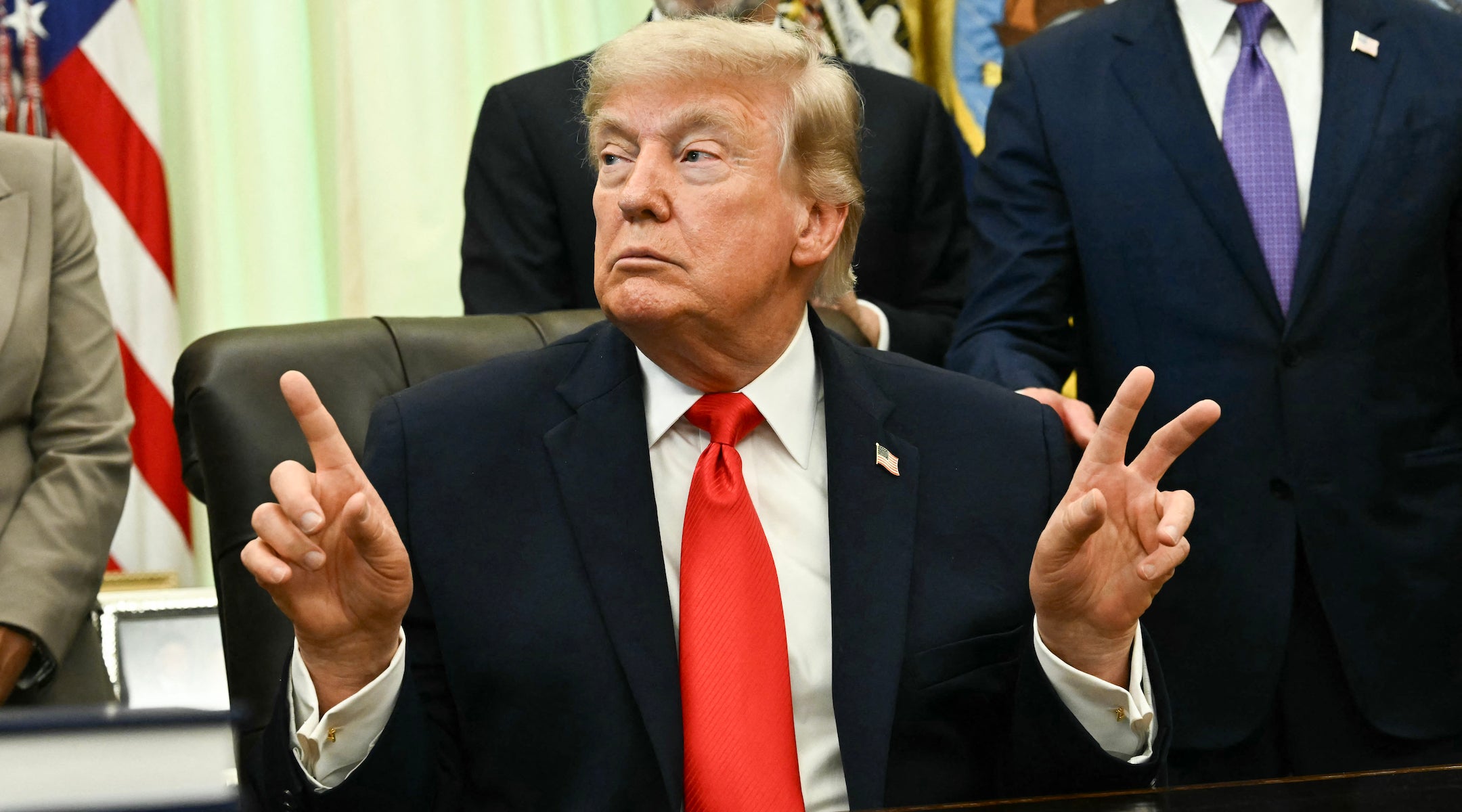
[ June 19, 2026 // Gary Burrows ]The Trump administration has signed an interim agreement with Iran aimed at ending months of disruption in the Strait of Hormuz, restoring oil flows and creating a 60-day window for broader negotiations. The arrangement reportedly includes a US$300 billion reconstruction and economic fund, although no outside guarantors or enforcement mechanisms have been disclosed, leaving many in shipping cautious about declaring the crisis over.
Tankers began moving through the strait within hours of the agreement, easing immediate concerns over what had become one of the largest energy supply disruptions in history. Oil prices retreated sharply as markets anticipated a resumption of exports.
For shipping, however, the agreement provides only temporary relief.
BIMCO previously warned that even a reopening during the second quarter would not immediately restore normal conditions. Chief shipping analyst Niels Rasmussen said cargo volumes would recover only gradually during the third quarter, with normalization occurring later in the year and stock rebuilding potentially supporting growth in 2027. The organization has also noted that tanker markets could remain under pressure because of fleet growth and lingering uncertainty.
Lars Jensen, chief executive of Vespucci Maritime, has repeatedly cautioned that the disruption’s effects extend well beyond the waterway itself, with freight markets, fuel availability and supply chains continuing to feel the consequences long after vessel movements resume.
Container carriers are likewise proceeding carefully. Maersk welcomed the agreement but said it was too early to alter operations, citing limited details and unresolved questions surrounding security and logistics.
The uncertainty has already accelerated efforts to diversify trade routes and infrastructure. Gulf exporters are pursuing alternatives to Hormuz, while carriers have developed contingency networks to serve regional shippers.
Port authorities are also looking beyond the immediate crisis. Port of Long Beach CEO Noel Hacegaba recently emphasized the need to build long-term resilience, launching a US$1 million incentive program to encourage commercial methanol bunkering and strengthen North America’s clean-fuel infrastructure.
For now, the industry’s verdict is one of cautious optimism. The Strait of Hormuz may be reopening, but with only a 60-day framework and no formal guarantors, many executives view the agreement as a pause rather than a permanent settlement.
“The biggest risk to supply chains,” one executive observed during the crisis, “is assuming that volatility has ended.”
Tags: BIMCO, Vespucci Maritime