








Archives
Freight News, Logistics, Sea
Suez Return Disrupts Asia-UK Container Flows
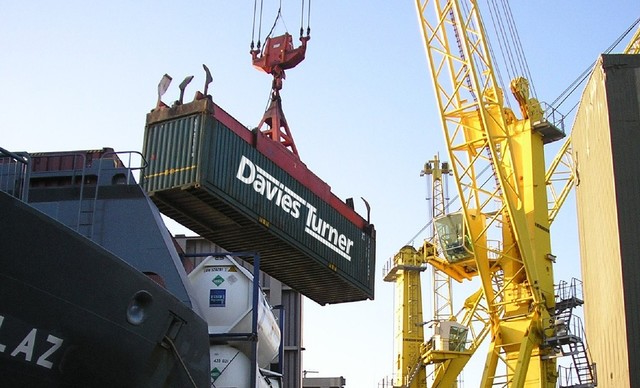
[ November 25, 2026 // Gary Burrows ]The return of container services to the Suez Canal is contributing to congestion at major European ports and disrupting some Asia-UK shipments, according to freight forwarder Davies Turner.
Vessels shifting from the longer Cape of Good Hope route are reaching Europe alongside ships already using the shorter Suez routing, creating concentrated arrival periods at major container hubs.
Tony Cole, director of ocean at Davies Turner, said some carriers have discharged UK-bound containers at mainland European ports rather than their originally scheduled UK destinations.
The carriers have committed to moving the affected containers to the booked ports through recovery arrangements. These typically involve onward transportation at the carrier’s expense, including port charges resulting from the unplanned discharge.
Recovery times can vary, however, depending on port congestion and vessel availability. Some containers may be transferred between more than one vessel before reaching the UK.
Davies Turner is advising importers to examine the costs and operational consequences before requesting a change of destination that would allow cargo to be collected directly from the European discharge port.
Carriers may impose substantial change-of-destination fees and reassess previously agreed freight rates at current market levels. Importers also could face European customs requirements, upfront release charges and responsibility for returning empty containers to the mainland port.
Those requirements can create additional exposure to demurrage, detention and storage costs. Davies Turner said allowing the carrier to complete its recovery plan may be faster and less expensive unless the importer has a strong business case for collecting the container in Europe.
The disruption also is affecting UK inland transportation.
Containers discharged at European hubs generally depend on feeder vessels to complete their journey to the UK. Late changes to feeder loading plans make container arrivals more difficult to predict and complicate the scheduling of trucks.
Congestion also has caused some ports and depots to refuse empty-container returns. Containers consequently remain on chassis longer, reducing the equipment available for other moves.
At the same time, importers seeking to limit empty-return charges are adding to demand for road transportation. The combination is tightening UK haulage capacity and increasing the potential for quay rent, demurrage and detention charges.
The conditions illustrate a transitional risk as carriers restore shorter Suez services. Returning to the canal releases vessel capacity and reduces voyage distances, but the conversion of services and the convergence of vessels previously operating on different schedules can create temporary pressure at European gateways.
Davies Turner is one of the UK’s largest independent freight forwarders and provides ocean, road and air services, customs brokerage and warehousing.
Tags: Daves Turner