








Archives
Feature, Freight News, Logistics, Sea
Shipping Climate Rules Face Dec. 4 Test
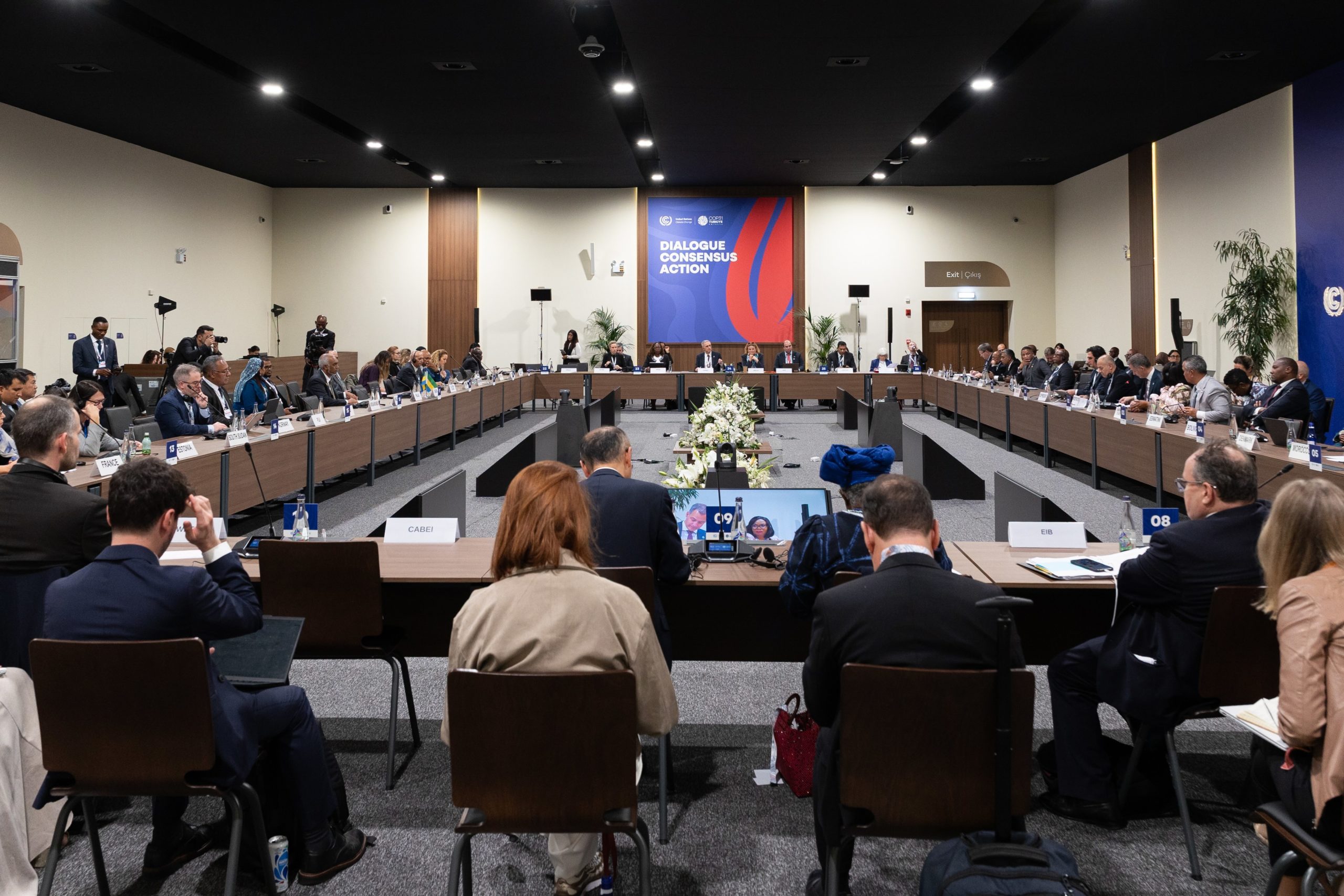
[ November 25, 2026 // Gary Burrows ]The collapse of COP31 without an overarching climate agreement is directing attention toward a Dec. 4 maritime meeting that could determine whether shipping receives a global emissions framework or continues toward a patchwork of regional regulation.
Nearly 200 countries concluded more than two weeks of negotiations in Antalya, Türkiye, on Nov. 22 without adopting the proposed Antalya Pact. Disagreement centered on references to transitioning away from fossil fuels, financial support for developing countries and the trade consequences of climate policies.
The result marked the first UN climate conference since Copenhagen in 2009 to end without an overarching cover decision. It did not reverse commitments made under the Paris Agreement or earlier climate conferences, and delegates adopted several narrower decisions and voluntary initiatives.
Shipping now faces a more immediate test at the International Maritime Organization.
The IMO Marine Environment Protection Committee will meet in London from Nov. 30 through Dec. 3, followed by a resumed extraordinary session Dec. 4 to consider the proposed IMO Net-Zero Framework.
The framework would combine a global marine-fuel emissions standard with a pricing mechanism for greenhouse-gas emissions. It would apply to oceangoing vessels exceeding 5,000 gross tons, which account for more than 85 percent of international shipping emissions.
IMO members approved the draft framework in April 2025 but postponed its formal adoption for one year after governments failed to resolve differences over carbon pricing, compliance costs, alternative-fuel availability and the distribution of revenue.
Those divisions remain. Governments are considering alternative compliance mechanisms, the treatment of LNG and biofuels, lifecycle emissions accounting and assistance for developing countries affected by higher transportation costs.
Shipping organizations representing much of the global commercial fleet issued a joint statement ahead of the meeting urging governments to establish an achievable, enforceable and stable regulatory framework.
The groups, including BIMCO, the International Chamber of Shipping, INTERCARGO, INTERTANKO and the World Shipping Council, said regulatory certainty is needed to support investment in commercially viable alternative fuels, more efficient vessels and supporting infrastructure.
Another delay could strengthen regional approaches to maritime emissions. The European Union already includes shipping in its Emissions Trading System and is implementing FuelEU Maritime, while the UK and other jurisdictions are developing their own measures.
A widening collection of regional fuel standards, carbon prices and reporting requirements could increase compliance costs for carriers and complicate contract and surcharge calculations for shippers.
The IMO outcome also will influence investment decisions throughout the maritime supply chain. Shipowners, engine manufacturers, fuel producers and ports must determine which fuels and technologies can meet future requirements before committing capital to vessels, production plants, storage and bunkering infrastructure.
Agreement on Dec. 4 would make international shipping an important example of sector-specific climate negotiations succeeding immediately after COP31 failed to reach broader consensus.
A further postponement would leave the industry without a settled global price signal and increase the likelihood that national and regional regulators will move independently.
FBJNA will update the story following the IMO decision Dec. 4.
Tags: BIMCO, COP31, IMO Marine Environment Protection Committee, INTERCARGO, International Chamber of Shipping, INTERTANKO, World Shiipping Council