








Archives
Feature, Freight News, Logistics, Sea
San Pedro Ports Mark 20 Years of Emissions Cuts
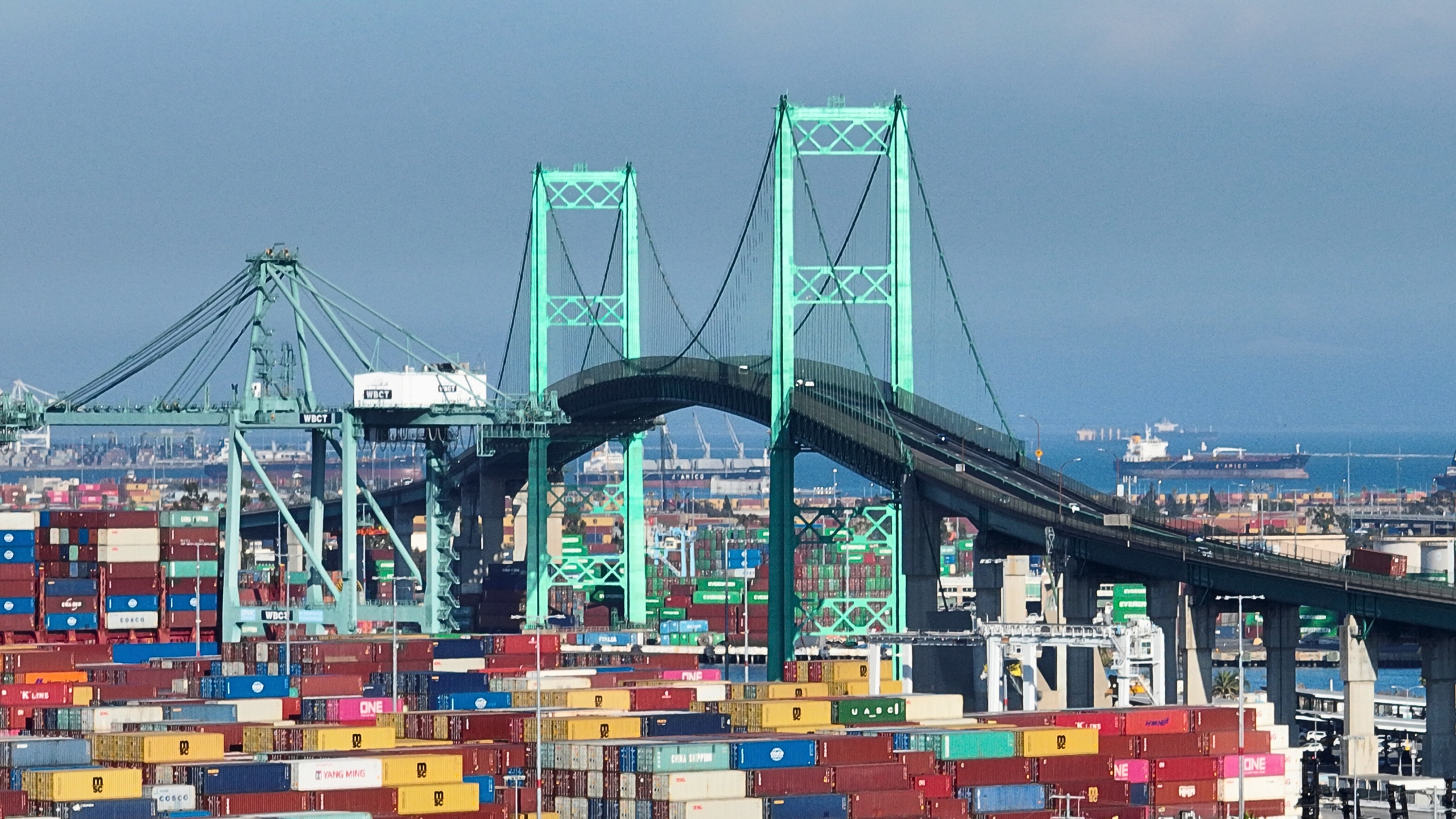
[ November 25, 2026 // Gary Burrows ]The ports of Long Beach and Los Angeles reported substantial reductions in diesel particulate matter, nitrogen oxides and sulfur oxides as their joint Clean Air Action Plan reached its 20th anniversary.
Since 2005, port-related emissions of diesel particulate matter have fallen 90 percent, nitrogen oxides 70 percent and sulfur oxides 98 percent, according to the ports. The reductions occurred as the San Pedro Bay complex handled increasing international cargo volumes.
Adopted Nov. 20, 2006, the Clean Air Action Plan established coordinated strategies covering ships, trucks, trains, cargo-handling equipment and harbor craft. The plan was updated in 2010 and 2017 as emissions technology and regulatory requirements changed.
The Clean Truck Program, launched in 2008, replaced thousands of older trucks and reduced truck-related air pollution by more than 90 percent within about three years. Vessel speed-reduction programs have achieved compliance exceeding 95 percent within 20 nautical miles of the harbor, while shore-power installations allow equipped ships to shut down auxiliary engines at berth.
Since 2007, the ports have invested US$61.3 million through the Technology Advancement Program to demonstrate cleaner trucks, terminal equipment and other technologies. Combined with funding from other agencies, total investment has reached US$445 million.
The next phase will focus on moving battery-electric and hydrogen equipment from demonstration projects into broader commercial service.
The 2017 plan established goals of transitioning cargo-handling equipment to zero emissions by 2030 and drayage trucks by 2035. Recent feasibility assessments have found that the technologies continue to advance, although cost, infrastructure and operational requirements remain obstacles to fleetwide deployment.
“Now our focus is on getting more zero-emission equipment into service, building the infrastructure to support it and delivering the next round of emissions reductions,” said Gene Seroka, executive director of the Port of Los Angeles.
Under a cooperative agreement with the South Coast Air Quality Management District, the ports are working with marine terminals and utilities to develop zero-emission infrastructure plans. Initial drafts are expected in May 2027.
The ports also adopted additional incentive and regional infrastructure measures known as CAAP Plus. Work outside the harbor includes developing lower-emission marine fuels, Green Shipping Corridors with Asian ports and truck corridors extending into Canada and Mexico.
Reaching the ports’ longer-term targets will require sufficient charging and fueling capacity, commercially available equipment capable of meeting terminal operating requirements and financing to cover the cost of replacing existing fleets. The ports said they would continue publishing emissions inventories and assessing the commercial readiness of zero-emission technologies through the Clean Air Action Plan.
Tags: Port of Long Beach, Port of Los Angeles, South Coast Air Quality Management District