







Archives
Feature, Freight News, Logistics, Sea
Hapag-Lloyd to Buy ZIM in $4.2 Billion Deal
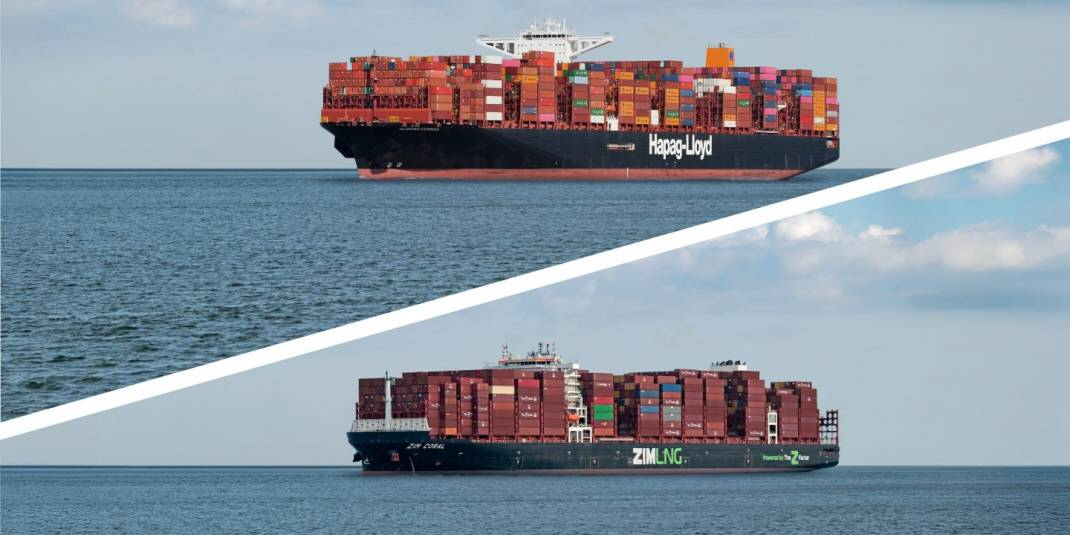
[ February 19, 2026 // Gary Burrows ]Hapag-Lloyd has agreed to acquire ZIM Integrated Shipping Services for about US$4.2 billion in cash, a merger that would create the world’s fifth-largest container shipping company and could reshape competition and freight pricing across major trade lanes.
Under the deal announced Feb. 16, Hapag-Lloyd will pay US$35 per ZIM share, a 58 percent premium to the company’s previous closing price, according to company statements. The combined carrier would operate more than 400 vessels with capacity exceeding 3 million twenty-foot equivalent units (TEUs) and annual cargo volumes topping 18 million TEUs.
The transaction is expected to close by late 2026, pending shareholder and regulatory approval. Until then, the two companies will continue operating independently, with collaboration limited to existing vessel-sharing and slot charter agreements.
Competition Implications
The deal represents another step in the consolidation of the global liner shipping sector, which has shrunk dramatically over the past decade as carriers seek scale to manage volatile freight markets. Analysts say the merger would increase Hapag-Lloyd’s global market share from roughly 7 percent to nearly 9 percent, strengthening its position against larger rivals such as MSC, Maersk and CMA CGM.
For regulators, the key issue will be whether added scale translates into reduced competition – especially on the transpacific and intra-Asia trades where both companies have strong positions. Industry observers note that bigger carriers typically gain more flexibility to manage capacity through network optimization or blank sailings, moves that can influence freight rates during weak demand cycles.
The merger also comes at a time when the industry is dealing with soft freight rates and excess capacity, making consolidation an attractive way to boost profitability.
Shippers Impact?
For cargo owners, the financial impact is likely to be mixed.
On one hand, Hapag-Lloyd executives say the combination will create a broader, denser network, which could improve schedule reliability and reduce transshipment costs. The company has said the merger should generate several hundred million dollars in annual synergies, largely from fleet deployment and operating efficiencies.
On the other hand, analysts say that greater concentration among global carriers can reduce pricing pressure during tight markets. Fewer independent operators may mean shippers face less leverage when negotiating long-term contracts – particularly on high-volume trade lanes where service options narrow.
“Scale helps carriers manage capacity more efficiently,” one industry analyst said, noting that while shippers may benefit from stronger service networks, they could also see more disciplined pricing behavior from carriers once demand recovers.
Israeli Concerns
A key feature of the transaction is a carve-out designed to preserve Israel’s strategic shipping interests. FIMI Opportunity Funds will acquire a spun-off business operating 16 vessels under the ZIM brand – often referred to as “New ZIM” – which will retain the Israeli government’s “golden share” and maintain essential maritime connectivity for the country.
ZIM Chairman Yair Seroussi said the deal followed a strategic review aimed at maximizing shareholder value, while Hapag-Lloyd CEO Rolf Habben Jansen said the merger would strengthen service across the trans-Pacific, Atlantic, Latin America and East Mediterranean trades.
Market Reaction; What’s Next?
Investors responded positively to the announcement, with ZIM shares surging sharply following the news, reflecting confidence in the cash offer and the strategic rationale behind the deal.
The acquisition also comes as shipping lines face declining earnings from pandemic-era highs. Hapag-Lloyd recently reported that 2025 EBIT fell significantly from the prior year as freight rates eased, though volumes rose — a backdrop that underscores why carriers are pursuing mergers to protect margins.
Regulatory scrutiny will likely focus on competition impacts across major east-west trade routes and the merger’s effects on pricing power. Israeli authorities are also expected to closely review the transaction given national security considerations and labor concerns; workers at ZIM have already staged protests over potential job losses tied to the deal.
If completed, the transaction would mark one of the largest container-shipping mergers since the pandemic era and could accelerate consolidation across the sector — a development that many shippers view as both an operational benefit and a pricing risk as the industry enters its next cycle.
Tags: Hapag-Lloyd, ZIM Integrated Shipping Services