







Archives
Feature, Freight News, Logistics, Rail, Road
FedEx Completes Spin-Off of Freight Unit
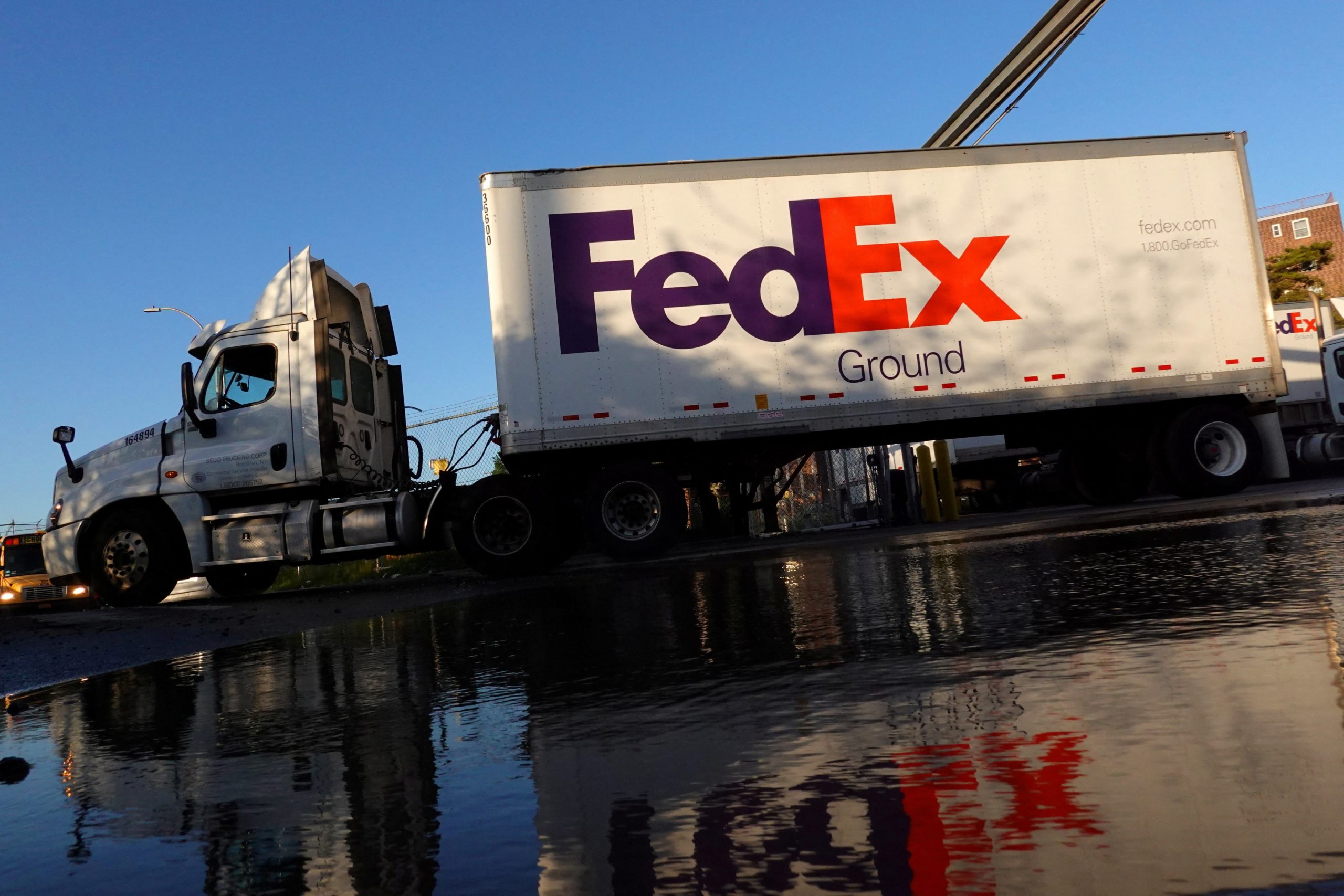
[ June 4, 2026 // Gary Burrows ]FedEx Corp. has completed the spin-off of its less-than-truckload subsidiary, FedEx Freight, creating two independent publicly traded transportation companies and concluding one of the most closely watched restructurings in the North American freight sector.
FedEx Freight began trading June 1 on the New York Stock Exchange under the ticker symbol FDXF, while FedEx Corp. continues trading under FDX.
The separation establishes FedEx Freight as a standalone company focused exclusively on the less-than-truckload market, where it ranks among North America’s largest carriers. FedEx said the move will allow both companies to pursue independent growth strategies while enhancing long-term shareholder value.
“The successful separation of FedEx Freight is a pivotal milestone, positioning two independent companies to lead their respective industries and create long-term value for their stockholders,” said Raj Subramaniam, president and chief executive officer of FedEx.
Under the transaction, FedEx distributed 80.1 percent of FedEx Freight shares to FedEx shareholders, who received one share of FedEx Freight stock for every two shares of FedEx common stock held as of May 15. FedEx retained a 19.9 percent stake that it plans to divest within 24 months through debt repayment transactions or distributions to shareholders.
The spin-off marks a major shift for the Memphis-based transportation giant, whose portfolio historically combined express parcel, ground delivery, freight forwarding and less-than-truckload operations under a single corporate structure.
Industry analysts have long viewed FedEx Freight as one of the company’s most valuable assets, with the LTL carrier benefiting from favorable pricing, strong margins and a leading position in the North American freight market. The separation follows broader efforts by FedEx to streamline operations through its Network 2.0 transformation initiative.
For shippers, the move creates a pure-play LTL carrier with a dedicated management team and capital structure focused exclusively on freight transportation. For investors, it provides direct exposure to one of the strongest segments of the trucking industry.
FedEx reported annual revenue of approximately US$92 billion, including FedEx Freight, in its most recent fiscal year. Updated financial reporting reflecting the separation is expected following the company’s fourth-quarter earnings release later this month.
Where FedEx Freight Fits in the LTL Market
As an independent company, FedEx Freight immediately becomes one of the largest publicly traded less-than-truckload carriers in North America. Based on recent industry rankings and revenue estimates, FedEx Freight ranks among the top LTL operators alongside XPO, Old Dominion Freight Line, Estes Express Lines, Saia and TFI International’s U.S. LTL operations.
Prior to the spin-off, FedEx Freight generated approximately US$9 billion to US$10 billion in annual revenue, placing it near the top of the industry by revenue and shipment volume. The carrier operates a nationwide network serving all 50 states, Canada, Mexico, Puerto Rico and the U.S. Virgin Islands.
The separation creates a pure-play LTL company at a time when the sector continues to benefit from tight capacity, disciplined pricing and growing demand for regional and national freight services. Investors will now be able to evaluate FedEx Freight independently from FedEx’s parcel, express and logistics operations.
North American LTL Revenue Leaders*
1. FedEx Freight $9B-$10B
2. XPO $8B+
3. Old Dominion Freight Line $6B+
4. Estes Express Lines privately held
5. Saia $3B+
6. TForce Freight (TFI Int’l) $2B+
7. ABF Freight (ArcBest) $1.5B+
*Industry rankings vary depending on whether revenue, tonnage, shipments or network size is used as the primary measure.
Tags: FedEx Corp, FedEx Corp. FedEx Freight