






Archives
Freight News, Logistics
DHL Adds Onshore Wind to German Energy
[ July 17, 2026 // Gary Burrows ]DHL Group has signed a 10-year agreement to purchase electricity from a newly built German wind farm, expanding its renewable energy portfolio as U.S. energy policy moves in the opposite direction by emphasizing increased oil, natural gas and coal production.
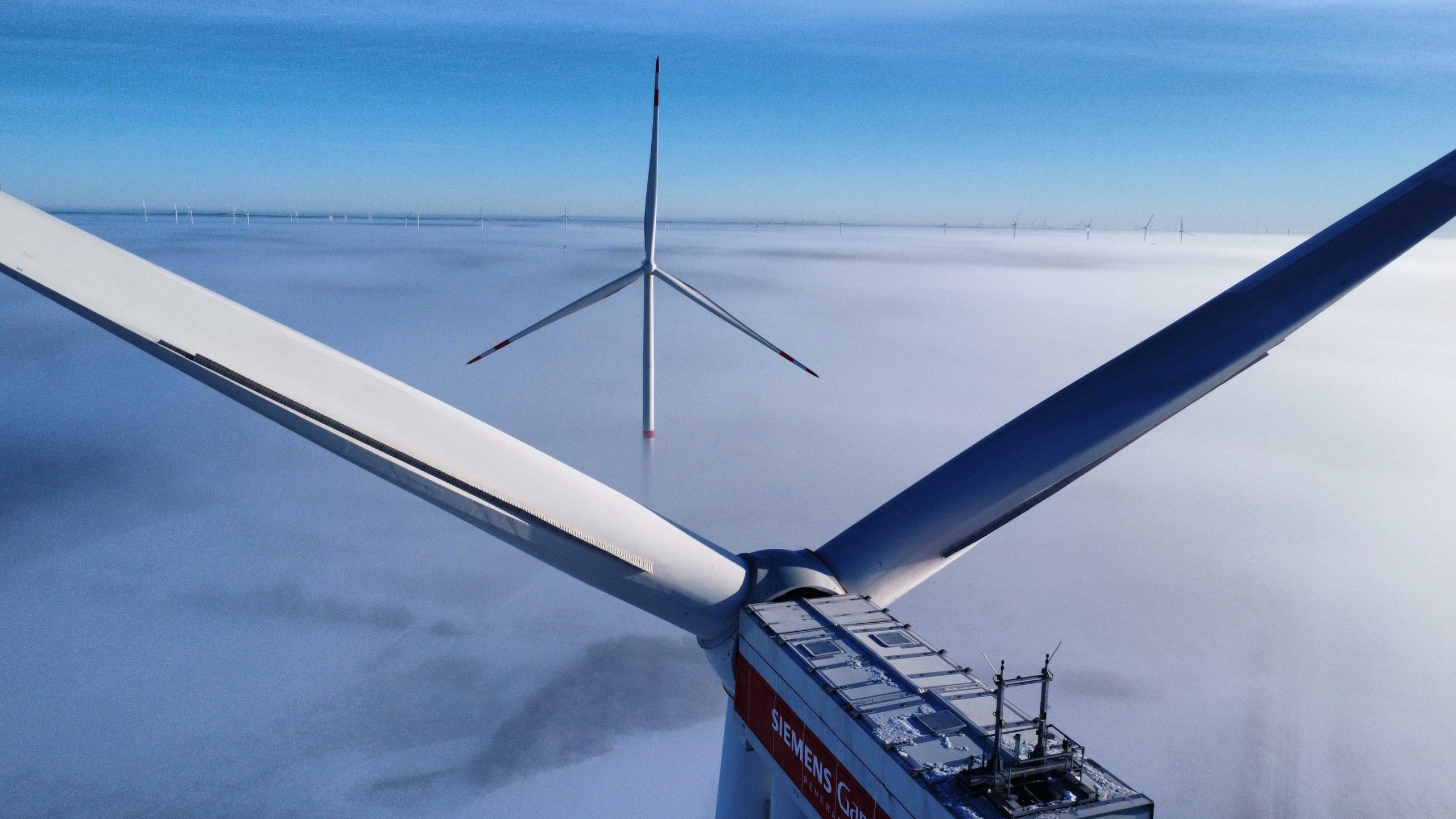
Under the power purchase agreement, Norwegian renewable energy producer Statkraft will supply DHL with about 35 gigawatt-hours of electricity annually from the Sollwitt-Pobüll onshore wind park in Schleswig-Holstein.
The agreement began in February and is expected to cover about 8 percent of DHL Group’s current electricity use in Germany. The wind farm, commissioned in 2025, has an installed generating capacity of 13.2 megawatts (MW).
The contract is DHL’s first long-term onshore wind power purchase agreement in Germany and complements existing agreements covering electricity generated by offshore wind farms.
DHL said diversifying its renewable power sources would help reduce emissions, strengthen energy security and provide greater long-term price stability.
“By adding our first onshore wind PPA, we are strengthening the resilience of our energy supply and directly supporting new, renewable capacity in Germany,” said Anna Spinelli, chief procurement officer and head of mobility at DHL Group.
The electricity will supply Deutsche Post and DHL operations throughout Germany. Unlike projects receiving support under Germany’s Renewable Energy Sources Act, the Sollwitt-Pobüll wind farm is operating outside the country’s principal renewable-energy subsidy program.
The agreement provides a contrast with the direction of federal energy policy in the U.S. The Trump administration has moved to accelerate permitting and development of oil, natural gas and coal resources, while seeking to eliminate federal subsidies it characterizes as supporting unreliable wind and solar generation. The administration reported in June that it had approved more than 6,100 federal and tribal drilling permit applications and 76 coal-related permits.
DHL’s approach reflects a different calculation. Rather than treating renewable power solely as a decarbonization measure, the logistics group is incorporating wind contracts into a broader energy-procurement strategy focused on supply diversification and predictable costs.
The Statkraft agreement follows an earlier DHL power purchase contract with German utility EnBW for about 80 GW-hours of electricity annually from the He Dreiht offshore wind farm in the North Sea.
Statkraft said long-term agreements with large industrial customers can provide access to renewable electricity while protecting buyers against energy-price volatility.
“With its energy requirement, the logistics industry is a key player in the energy transition,” said Patrick Koch, head of German origination at Statkraft.
For DHL, the onshore agreement adds another source to a renewable portfolio increasingly designed not only to reduce the company’s environmental footprint, but also to protect its German operations from fluctuations in energy supply and pricing.