







Archives
Feature, Freight News, Logistics, Sea
China Counters with Port Fees on US Ships
[ October 16, 2025 // Gary Burrows ]China’s transport ministry said U.S.-owned, operated, flagged and built vessels are to be assessed additional port fees per voyage starting on Oct. 14, Reuters reported.
The port fees are a countermeasure against upcoming U.S. port fees on Chinese ships, the ministry said.
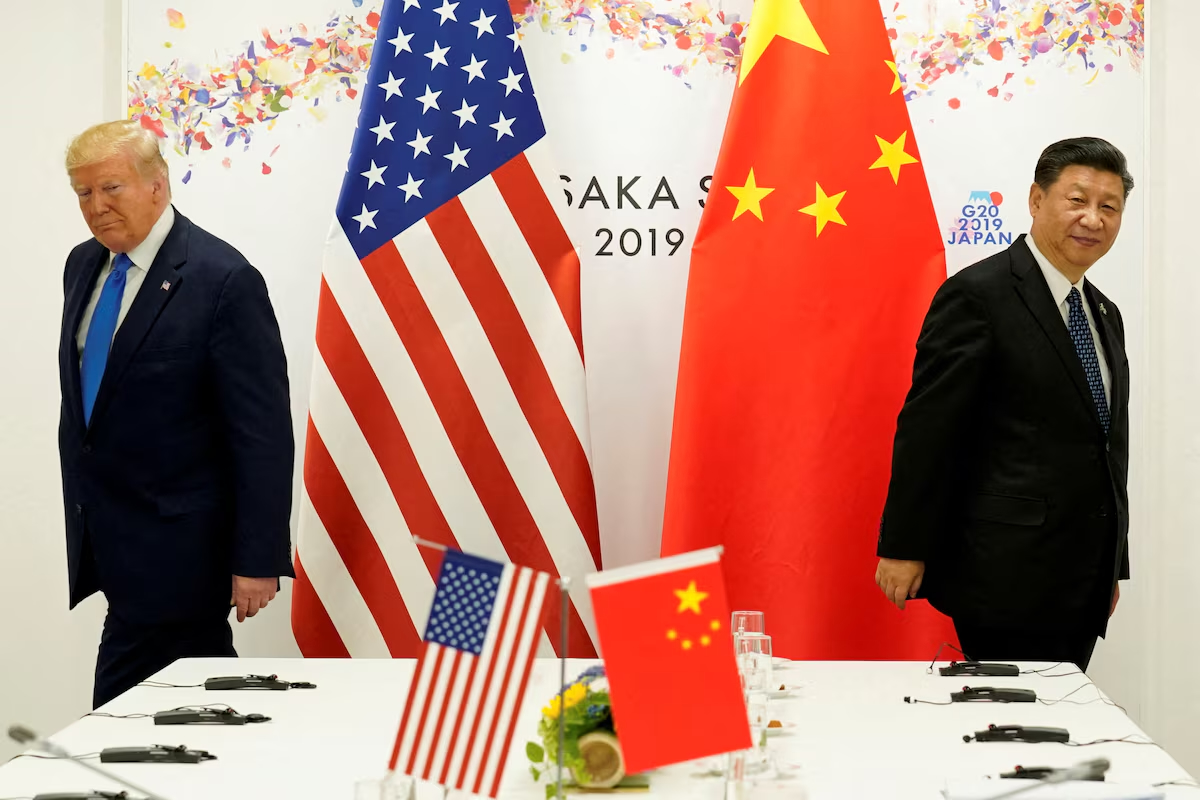
The move follows U.S. President Donald Trump statement Oct. 10 that there is no reason to meet with China’s President Xi Jinping in two weeks in South Korea as planned.
Instead, Trump on social media said the U.S. is calculating a massive increase in tariffs on imports from China. He claimed China has been sending letters to countries saying it planned to impose export controls on every element of production related to rare earths.
Also starting Oct. 14, vessels that are China-owned, operated, flagged and built will need to pay a flat fee of US$80 per net ton per voyage to the U.S. first U.S. port of call. Fees could top US$1 million for a ship carrying more than 10,000 containers, and could rise annually through 2028, according to analyst estimates.
The fees apply only for first call to China on a trip with multiple calls and maximum 5 times per year – which duplicates the USTR rules.
The U.S. fees on China-linked vessels, following a probe by the U.S. Trade Representative, are part of a broader U.S. effort to revive domestic shipbuilding and blunt China’s naval and commercial shipping power.
“It is clearly discriminatory and severely damages the legitimate interests of China’s shipping industry, seriously disrupts the stability of the global supply chain, and seriously undermines the international economic and trade order,” the Chinese ministry said.
In a separate statement released Oct. 10, Beijing’s commerce ministry said the Chinese countermeasures were in “justified” self-defense aimed at safeguarding fairness in the global shipping and shipbuilding markets, Reuters reported.
China has led shipbuilding world over the past two decades, with its biggest shipyards handling both commercial and military projects.
The fees announced by China, like those put in place by the U.S., “add further complexity and cost to the global network that keeps goods moving and economies connected, and risk harming their exporters, producers, and consumers at a time when global trade is already under pressure,” Reuters quoted Joe Kramek, president and CEO of the World Shipping Association.
Who Pays?
Last year, Chinese shipyards built more than 1,000 commercial vessels, while the U.S. constructed fewer than 10, according to military and industry analysts.
For U.S. vessels berthing at Chinese ports from Oct. 14, the rate will be US$56.13 per net tonne, the Chinese transport ministry said. That will increase to US$89.81 from April 17, 2026, and US$123.52 from April 17, 2027. For vessels calling at Chinese ports from April 17, 2028, the charge will be US$157.16 per tonne.
Lars Jensen, CEO of Vespucci Maritime and a leading industry expert, said the charge would impact U.S. lines Matson, Maersk Line Ltd. and APL, and could also include Zim as more than 25 percent of the shares seems to presently be owned by US entities.
It could also apply to vessels owned by Seaspan. Seaspan is owned by Poseidon, which is barely more than 25 percent U.S. based. Seaspan owns more than 100 vessels which are chartered by a variety of major container lines.
These ships would receive a double-whammy – subject to fees in China in addition to the fees in the U.S. for their Chinese-built vessels.
China-U.S tensions have deepened since September, with the two superpowers struggling to move beyond their trade tariff truce – a 90-day pause from Aug. 11 that ends around Nov. 9.
Retaliatory tariffs in the U.S.-China trade war this year have sharply curtailed Chinese imports of U.S. agriculture and energy products.
Tags: Xi Jinping