







Archives
Feature, Freight News, Logistics, Sea
Box Fleet Growth to Outpace Demand, BIMCO
[ September 24, 2026 // Gary Burrows ]Container shipping is heading toward renewed supply pressure in 2027 as accelerating vessel deliveries outpace demand growth, with a return to normal Suez Canal routings potentially adding substantially more effective capacity, according to BIMCO.
The container ship order book has climbed above 14 million TEU, equal to 42 percent of the existing fleet, while global fleet capacity recently reached 34 million TEU. BIMCO expects capacity to reach 37.7 million TEU by the end of 2027, including 3.2 million TEU of deliveries next year.
“Disruptions and strong growth in head-haul trades continue to support the container shipping market in 2026, but accelerating fleet growth could weaken the supply/demand balance in 2027,” said Niels Rasmussen, BIMCO chief shipping analyst.
BIMCO models two scenarios, one in which the Strait of Hormuz remains effectively closed through 2027 and another in which normal transit conditions return next year. Under both, ship supply grows faster than demand in 2027.
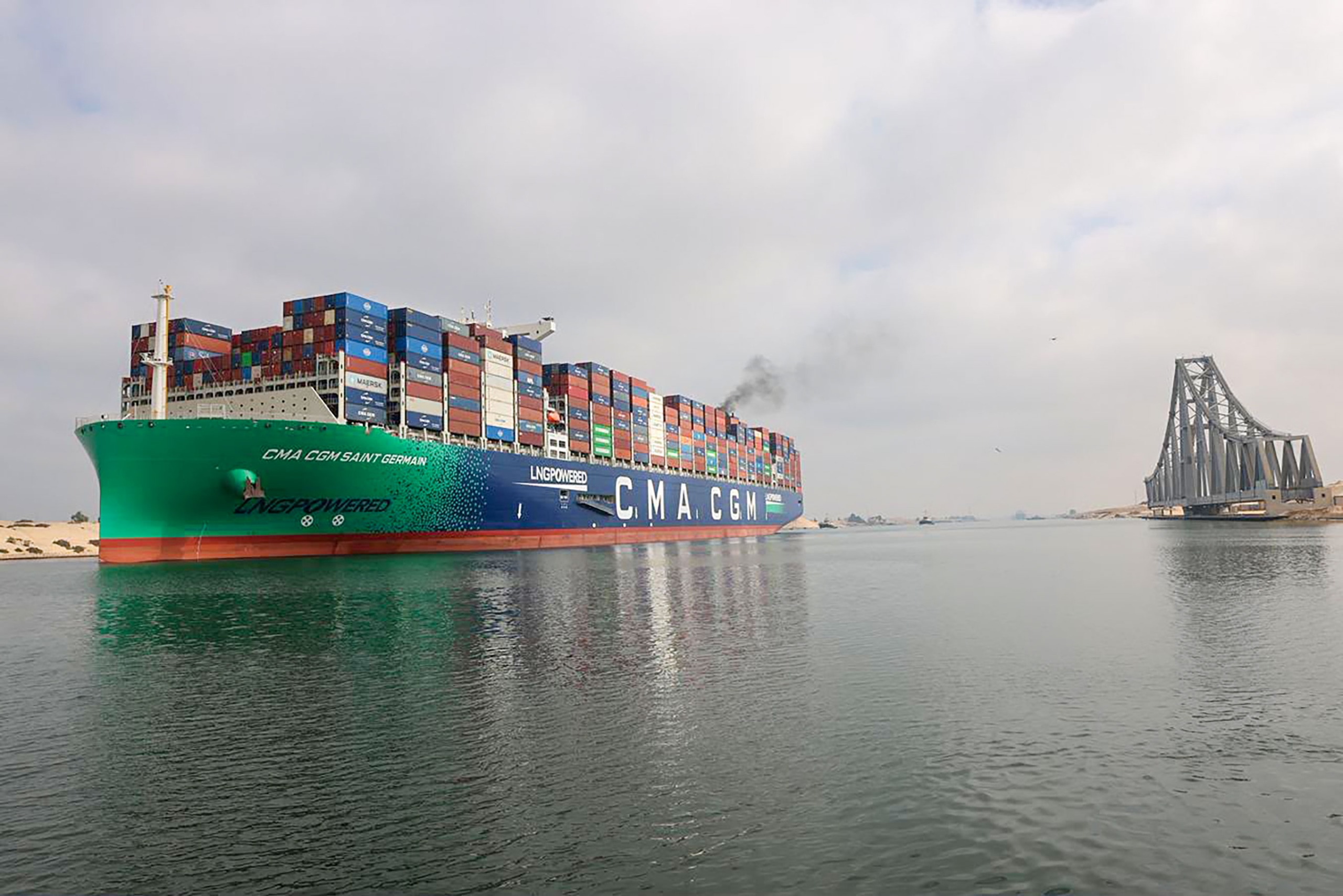
Routing could magnify that imbalance. Some carriers have begun returning services to the Suez Canal, with 20 percent to 25 percent of capacity using Suez rather than the Cape of Good Hope in recent weeks. A gradual normalization during 2027 could reduce ship demand growth by 5 percentage points from BIMCO’s forecast. A complete return to normal Suez routings could leave ship demand 10 percent below the level required if Cape routings continued.
For now, cargo growth remains relatively strong. Global container volumes increased 5.1 percent year over year during the first seven months of 2026, with East and Southeast Asian exports accounting for more than half of the increase. Head-haul and regional trades grew 6.3 percent, while back-haul volumes were flat. North American imports, however, increased just 1.3 percent.
BIMCO also sees a widening trade imbalance. Compared with 2019, head-haul volumes are up 31 percent while back-haul volumes are down 6 percent. Back-haul cargo now equals only 40 percent of head-haul volumes, down from 55 percent in 2019, requiring more vessel capacity for each loaded container moved.
Freight markets have strengthened since the Iran war began, but BIMCO said rates from North Asia to Europe and the Mediterranean have recently weakened while Americas trades have strengthened. It expects freight, charter and secondhand vessel markets to soften in 2027 as supply growth accelerates, particularly if the return to Suez gains momentum.
Tags: BIMCO, Suez Canal Authority