








Archives
Air, Freight News, Logistics, Sea
Low-value Imports Face New Compliance Rules
[ November 5, 2026 // Gary Burrows ]U.S. Customs and Border Protection is proposing new electronic filing, data and bonding requirements for informal entries of goods valued at $2,500 or less, expanding the compliance changes already reshaping low-value imports.
Under the proposed rule, Entry Type 11 would have to be filed electronically on or before the date of importation. CBP would also establish Entry Type 13 as a new electronic informal entry for merchandise arriving through the international mail system.
The proposal would require additional information, including the name and address of the final delivery party when that party differs from the ultimate consignee. Entry Types 11 and 13 would also require a basic importation and entry bond.
Breaches of the proposed bond conditions could result in liquidated damages of at least $1,000. That provision could raise the stakes for importers, customs brokers and logistics providers handling large numbers of comparatively inexpensive shipments, particularly when shipment information originates with an overseas seller.
The proposal would also remove a $250 limit on informal-entry eligibility for merchandise classified under Subchapters III and IV of Chapter 99 of the Harmonized Tariff Schedule of the United States. Such merchandise valued at $2,500 or less could instead qualify for informal entry.
CBP said electronic filing would give the agency advance information needed to validate entries, target higher-risk shipments and identify prohibited or unsafe goods. The agency said the volume of low-value imports has made manual processing and enforcement increasingly difficult.
The proposed requirements are separate from the suspension of duty-free de minimis treatment for shipments valued at $800 or less. Although the terms are sometimes used interchangeably, informal entry is a customs-processing method for qualifying shipments valued at up to $2,500; it does not necessarily provide an exemption from duties.
A related change is already approaching for some international mail. Effective Jan. 20, 2027, postal shipments subject to Section 201, 232 or 301 duties, or to the jurisdiction of a partner government agency, must be filed electronically through CBP’s Automated Commercial Environment using Entry Type 13 to qualify for informal entry. Otherwise, formal entry will be required.
CBP moved that compliance date from Oct. 22, giving importers, customs brokers and logistics providers an additional 90 days to modify their systems and processes.
The agency implemented the voluntary Entry Type 13 test in ACE in September and is encouraging filers to begin using it before the mandatory date.
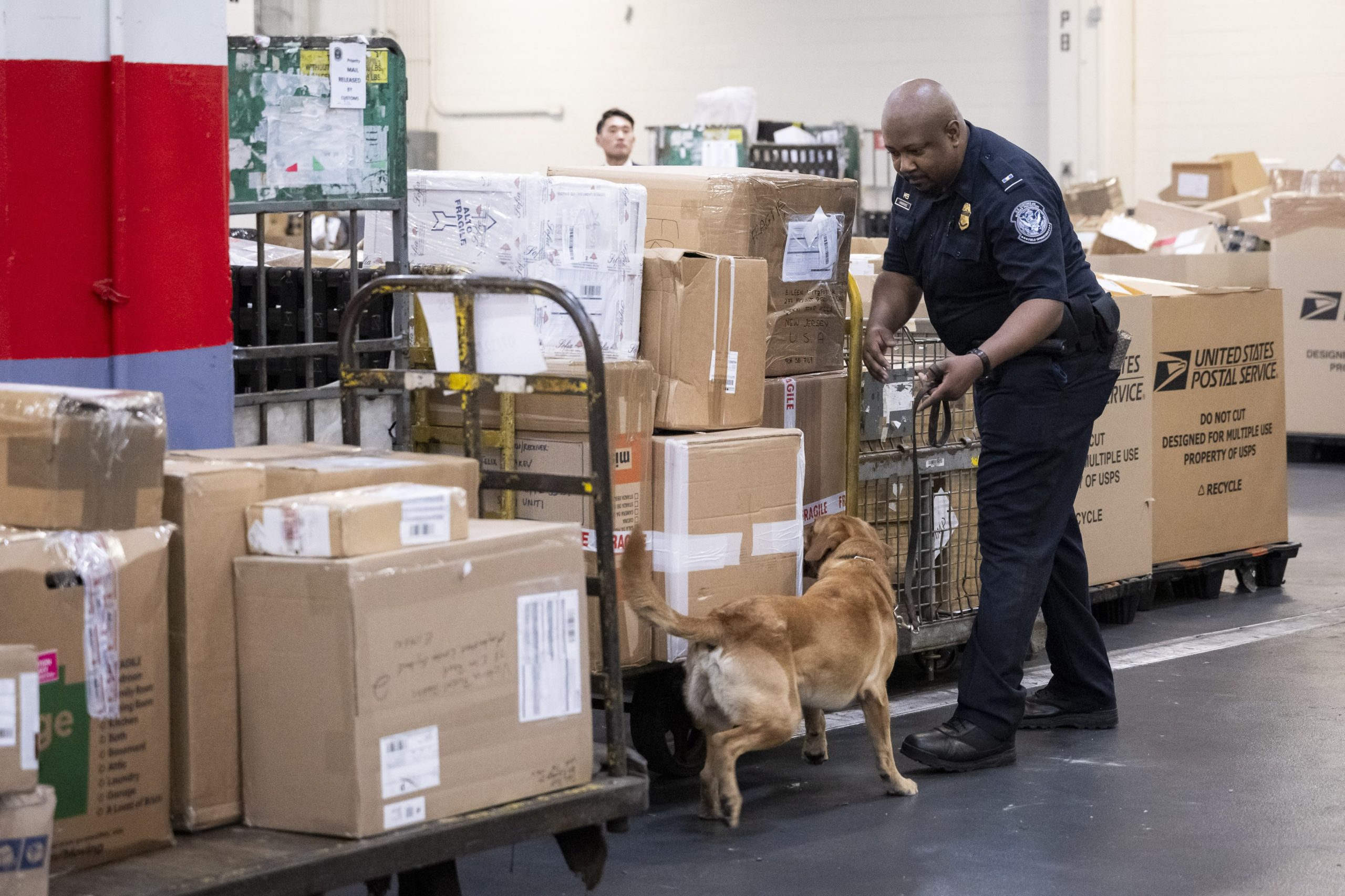
CBP Office of Trade Executive Assistant Commissioner Susan Thomas said the requirements are intended to use advance data to identify threats in international mail and close gaps exploited to move contraband.
For the trade, the outstanding questions include the added cost of filing and bonding each shipment, responsibility for inaccurate information supplied by foreign sellers and whether brokers and import systems can process the expected volume. The requirements could also affect decisions about shipment consolidation, fulfillment locations and whether some low-value transactions remain commercially viable.
Comments on the proposed rule are due Dec. 7 under docket USCBP-2026-0298.
Tags: U.S. Customs and Border Protection