







Archives
Feature, Freight News, Logistics
US, China Tag $60B in Potential Tariff Relief
[ October 1, 2026 // Gary Burrows ]The U.S. and China have recommended about US$60 billion in two-way trade for potential preferential tariff treatment under a new bilateral framework, identifying about US$30 billion of products in each direction that could eventually receive lower tariffs.
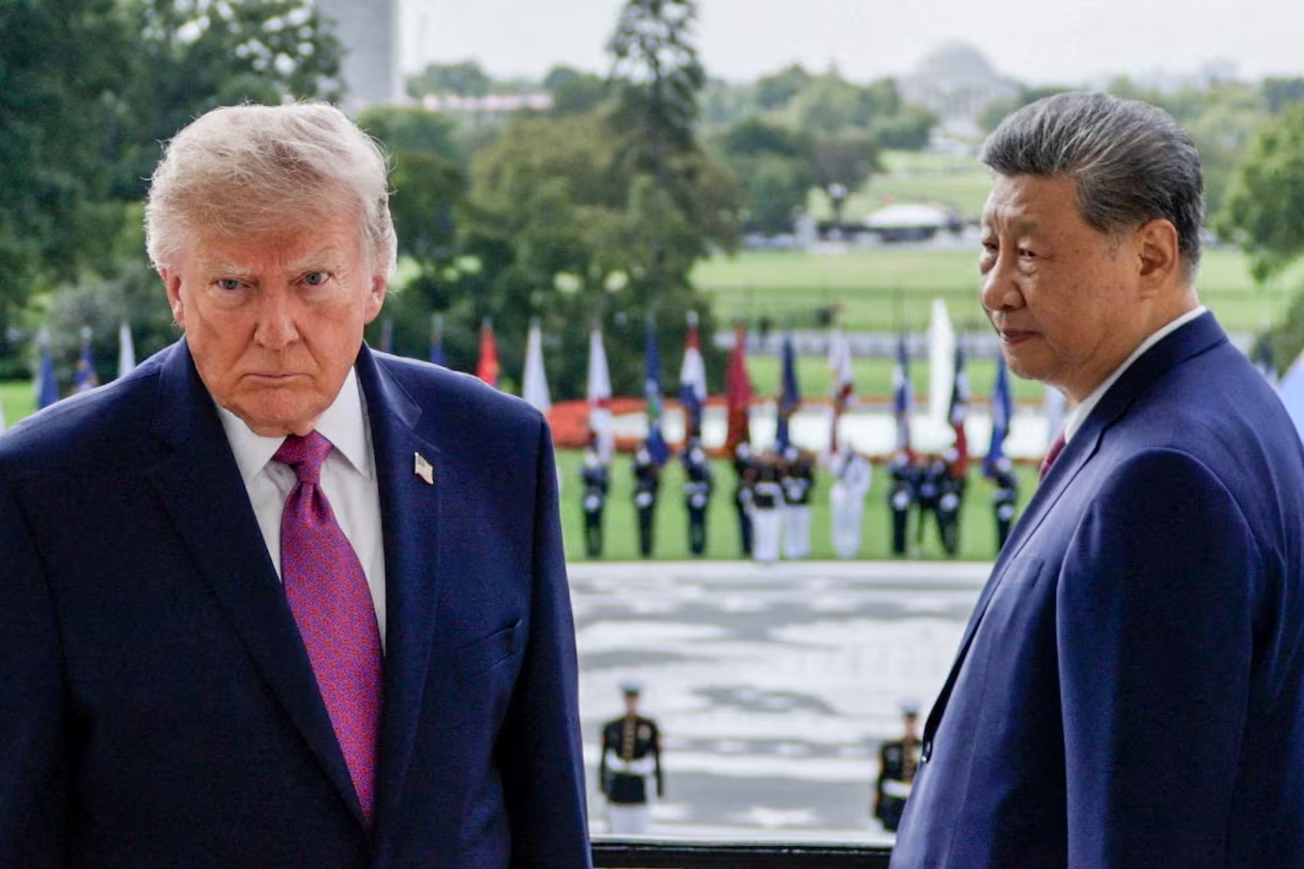
The recommendations cover non-sensitive goods and are the latest step under the U.S.-China Board of Trade, established by President Donald Trump and Chinese President Xi Jinping during Trump’s May visit to Beijing.
The tariff reductions have not yet been approved or implemented. The products “could benefit from more favorable tariff treatment in the future,” U.S. Trade Representative Jamieson Greer said Sept. 27. Under the framework, future tariff reductions must be determined and implemented through each country’s domestic legal processes.
“From agricultural products to medical devices, President Trump is unlocking improved market access for about 30 percent of U.S. exports to China,” Greer said.
USTR said the Chinese list includes agricultural products and medical devices, while products recommended for improved U.S. tariff treatment include household goods, toys and other products that the agency said the U.S. generally does not import from other countries.
China’s list includes a broad range of U.S. agricultural and food products, including beef, pork, poultry and other meats, as well as seafood and dairy products.
The U.S. list includes plastic tableware, linens and household furnishings, along with household appliances, toys, sporting goods and seasonal merchandise.
The two product lists are intended to be comparable in value, based on annual bilateral trade during 2024. Officials may review the lists and propose adjustments, although the framework does not envision changes more frequently than annually. It also allows the two countries to consider expanding the arrangement to additional products.
The Board of Trade is composed of U.S. and Chinese government officials and is intended to provide an ongoing forum for bilateral trade issues. On the U.S. side, it is overseen by Treasury Secretary Scott Bessent and Greer, with Chinese Vice Premier He Lifeng representing China. Deputies are expected to meet at least quarterly.
Greer said the administration also intends to pursue Chinese compliance with agricultural and energy purchase commitments and additional market access for U.S. exporters.
Tags: U.S. Trade Representative, U.S.-China Board of Trade