








Archives
Feature, Freight News, Rail, Sea
Project Gives Baltimore Stacktrain Clearance
[ June 26, 2026 // Gary Burrows ]The Port of Baltimore can now move double-stacked container trains for the first time following completion of the $495 million Howard Street Tunnel Project, a milestone state officials say will expand the port’s container business, improve inland connectivity and create thousands of jobs.
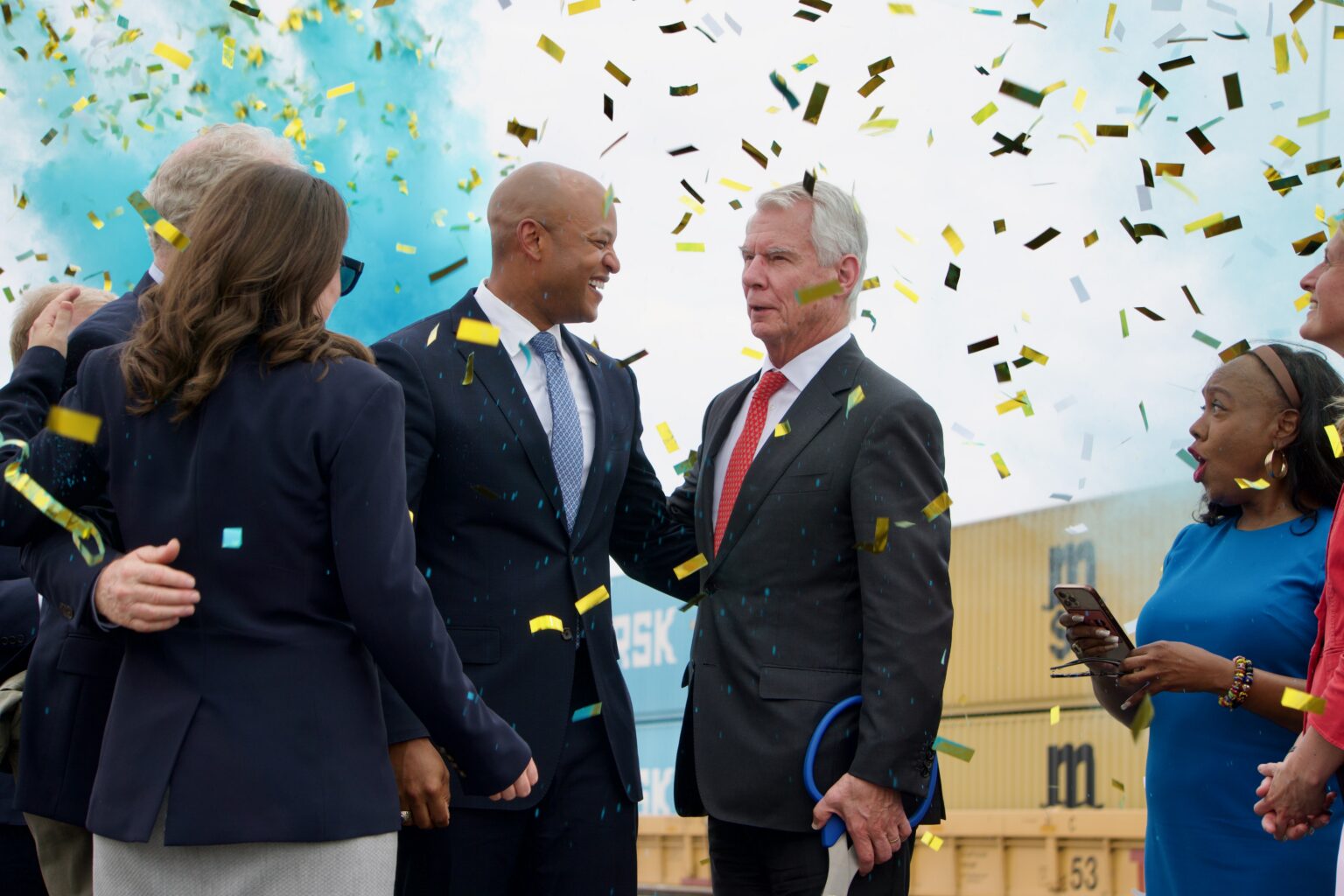
Maryland Gov. Wes Moore joined CSX President and CEO Steve Angel and federal, state and port officials June 25 to mark the start of double-stack rail operations through the reconstructed 131-year-old tunnel.
The project lowered the tunnel track by 18 inches and improved clearances at 21 additional locations in Maryland, Delaware and Pennsylvania, creating a continuous double-stack rail corridor linking the Port of Baltimore with inland markets and connecting East Coast double-stack service from Massachusetts to Florida.
“This is a transformative day for the Port of Baltimore and for Maryland,” Moore said. “We have opened doors to shipping up and down the Northeast, increasing our shipping capacity at the Port, creating thousands of new jobs and generating about $1 billion annually in economic benefits for Marylanders.”
Height restrictions in the Howard Street Tunnel had long prevented double-stack container trains from serving the port, putting Baltimore at a competitive disadvantage compared with several other East Coast gateways.
CSX CEO Steve Angel called the project a significant improvement for the railroad’s network.
“With full double-stack clearance now in place, we’ve removed a long-standing constraint in Baltimore and unlocked a more direct, efficient connection between the Port and inland markets,” Angel said. “This strengthens a critical link in our network and enables us to move more freight on existing trains.”
Maryland estimates the project will increase container volumes through the port by approximately 160,000 containers annually while creating more than 13,000 jobs spanning construction, terminal operations, warehousing and logistics.
Port officials also highlighted the project’s strategic importance as Baltimore continues expanding its container business. The new rail capability complements more than $600 million in investments made since 2010 by Ports America Chesapeake at the Seagirt Marine Terminal, including new cranes, equipment and terminal technology.
Maryland Port Administration Executive Director Jonathan Daniels said the tunnel improvements position Baltimore as a more competitive gateway for Midwest cargo.
“Now with double-stack capabilities, the Port of Baltimore becomes the quickest and most efficient way to get containerized cargo to the Midwest,” Daniels said.
State officials also cited long-term environmental benefits, estimating the project will eliminate about 1.2 billion truck miles and reduce diesel consumption by 137 million gallons over the next 30 years by shifting more freight to rail.
The ribbon cutting comes after a record year for Baltimore’s container business. The port handled 1.1 million TEUs in 2025, increased weekly container ship calls from 12 to 15, and recently announced a new Asia-Mediterranean container service scheduled to begin this summer.
Overall, the Port of Baltimore handled about 50 million tons of foreign cargo in 2025, its second-best year on record. The port remains the nation’s leading gateway for roll-on/roll-off farm and construction equipment and imported forest products while ranking second in autos, imported gypsum, salt and sugar, and exported coal.
Tags: CSX, Port of Baltimore