







Archives
Feature, Freight News, Logistics, Sea
Long Beach Asks: ‘Who Wants to Be a Millionaire?’
[ May 28, 2026 // Gary Burrows ]The Port of Long Beach is offering a US$1 million incentive to the first oceangoing vessel to commercially bunker methanol at the Southern California gateway, marking one of the most aggressive efforts yet by a North American port to accelerate adoption of lower-carbon marine fuels.
Approved by the Long Beach Harbor Commission at its May meeting, the new “Clean Fuel Bunkering Challenge” is designed to encourage carriers, fuel suppliers and terminal operators to establish commercial-scale methanol bunkering operations at the port.
Port officials said the award is intended both to offset the higher cost of methanol fuel and help operators cover expenses tied to safety procedures, permitting and fuel-supply coordination.
“We know the shipping industry is considering moving toward adopting methanol marine fuel for some great reasons – they want to reduce greenhouse gas emissions and improve air quality,” Port of Long Beach CEO Noel Hacegaba said in a statement. “Today, we’re giving them 1 million more reasons to embrace clean fuels.”
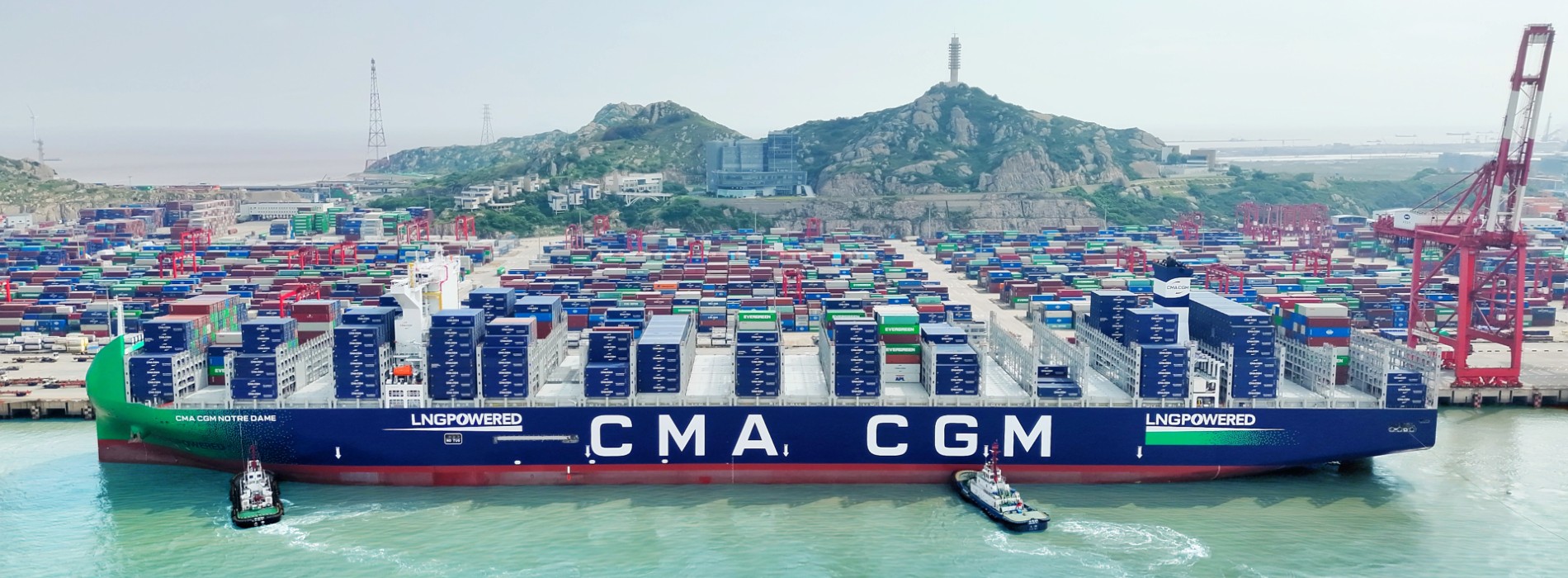
Methanol has emerged as one of the leading alternative marine fuels as container carriers seek to reduce emissions while complying with tightening global environmental regulations. Major liner operators including CMA CGM, Maersk, COSCO and others have invested heavily in dual-fuel methanol-capable vessels, many of which already call regularly at Long Beach and neighboring Los Angeles.
Despite growing deployment of methanol-powered ships, the fuel currently is not commercially available for bunkering at the Port of Long Beach, forcing methanol-capable vessels to continue refueling with conventional marine fuel while operating in the region.
Port officials estimate methanol bunkering currently costs roughly US$1.5 million per vessel call, compared with about US$1 million for conventional bunker fuel. The incentive program is intended to narrow that cost gap while also helping develop operational standards and supply-chain infrastructure for routine methanol fueling.
The initiative also reflects increasing pressure on ports and carriers to diversify fuel sources amid continued volatility in global energy markets and tightening emissions mandates.
Long Beach said the program was partly inspired by existing methanol bunkering activity at major Asian hubs including Shanghai and Singapore, both participants in Green Shipping Corridor partnerships involving the San Pedro Bay port complex.
The Port of Long Beach said it also plans to update its Green Ship Incentive Program within the next year to encourage more frequent calls by lower-emission vessels and further stimulate demand for cleaner marine fuels.
Tags: CMA CGM, Cosco, Long Beach Board of Harbor Commissioners, Maersk, Port of Long Beach