








Archives
Feature, Freight News, Logistics, Sea
Coal Imports Surge from LNG Disruption, BIMCO
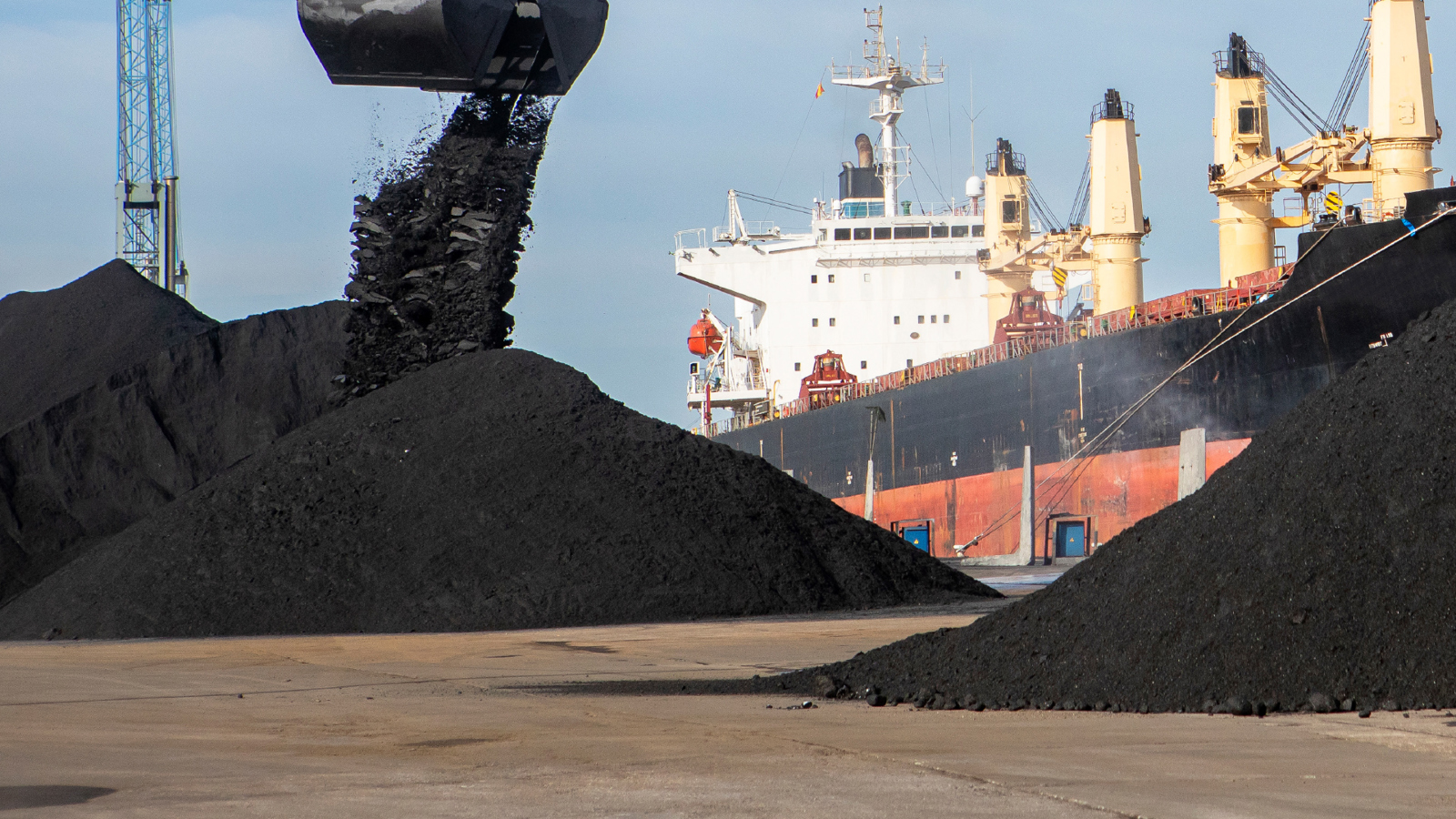
[ May 11, 2026 // Gary Burrows ]Coal shipments to Japan, South Korea and the EU jumped 27 percent year over year in April as buyers turned to coal to offset tightening LNG supply following disruption in the Strait of Hormuz, according to the BIMCO.
The increase comes despite what is normally a seasonal slowdown in coal demand during spring months, particularly in Japan and South Korea as heating demand eases.
“In April 2026, coal shipments to Japan, South Korea and the EU jumped 27% y/y as these countries seek alternative energy supplies to gas,” said Filipe Gouveia, shipping analysis manager, BIMCO. Disruption to LNG exports from the Persian Gulf contributed to an 8 percent decline in global seaborne LNG shipments during the month.
The shift is supporting dry bulk demand, particularly in the Panamax and capesize sectors, as increased coal volumes boosted global coal tonne-mile demand by 8 percent year over year in April.
The trend also aligns with broader market analysis showing utilities increasingly weighing coal against rising LNG costs. Reuters reported this week that higher oil-linked LNG pricing could encourage additional fuel switching in Japan and South Korea heading into peak summer demand.
Although coal’s long-term role in advanced economies continues to decline amid decarbonization policies, the latest disruption highlights how energy security concerns can quickly alter fuel purchasing patterns.
BIMCO said that if disruption in the Strait of Hormuz persists, global coal shipments could grow by up to 1 percent in 2026 and as much as 1.5 percent in 2027, above prior expectations.
Longer term, however, the organization still expects coal demand in the EU, Japan and South Korea to trend lower as renewable energy capacity expands and coal becomes less competitive relative to cleaner power sources.
Tags: BIMCO