








Archives
Feature, Freight News, Logistics, Sea
CMA CGM, Maersk Diverge on Red Sea Strategies
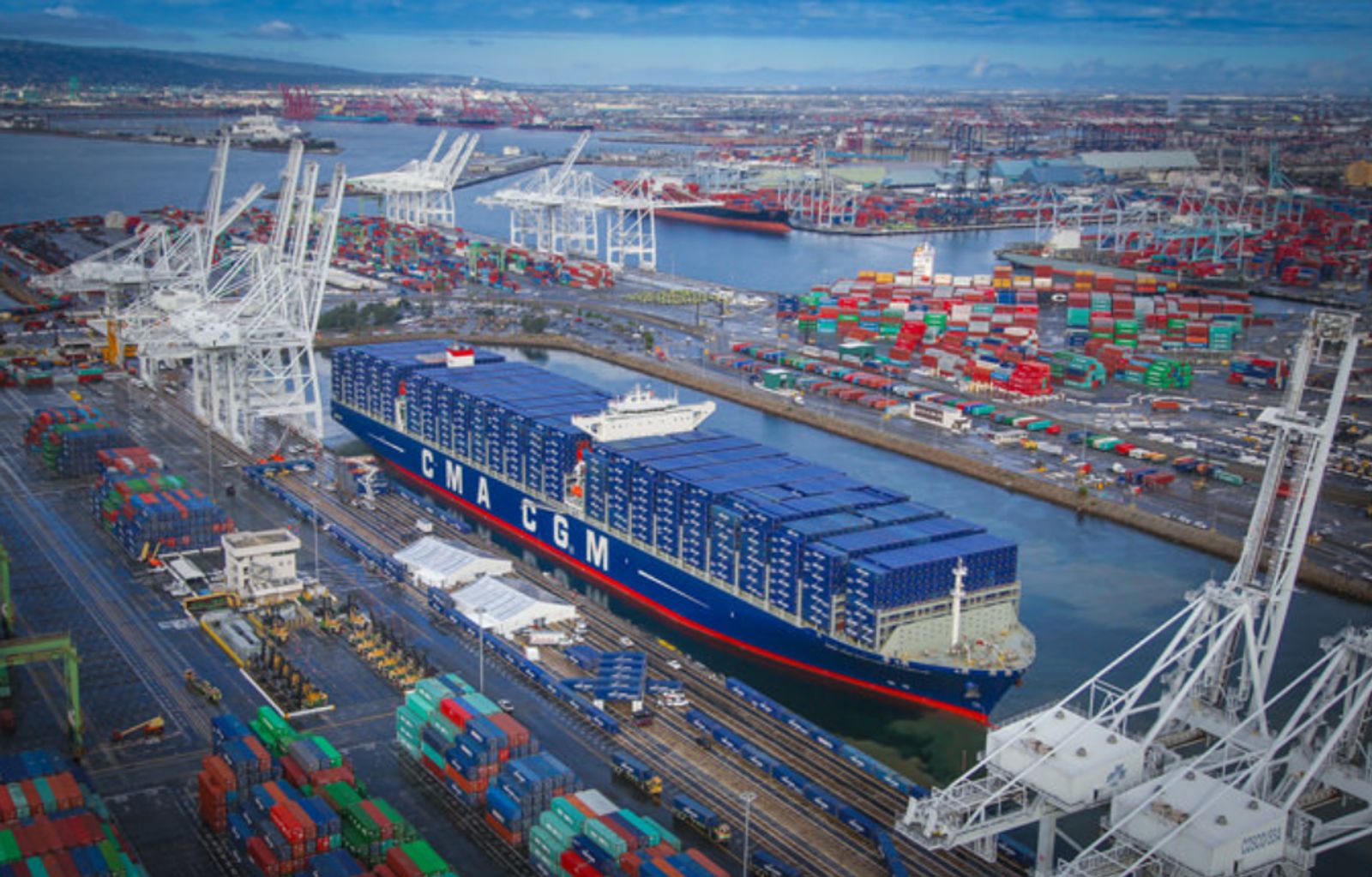
[ February 11, 2026 // Gary Burrows ]CMA CGM will reroute vessels on its FAL 1, FAL 3 and MEX Asia-Europe services around the Cape of Good Hope, reversing a recent return to the Suez Canal and adding fresh uncertainty for North American shippers already grappling with volatile transit times, freight rates and inventory planning.
The French container line cited a “complex and uncertain international context,” saying the decision will be reviewed regularly. The affected services had only recently resumed Suez Canal transits on backhaul voyages after months of diversions prompted by security concerns in the Red Sea.
The move comes as carriers send increasingly mixed signals to the market. Just days earlier, Maersk – the world’s largest container line and a bellwether for industry risk tolerance – announced its MECL service would begin transiting the Suez Canal again.
“When Maersk changes policy, the market pays attention,” said Destine Ozuygur, senior market analyst at freight intelligence platform Xeneta. “CMA CGM moving in the opposite direction highlights the absence of a stable operating framework and complicates planning for shippers.”
For North American importers, the implications extend beyond Asia–Europe lanes. Routing decisions in one trade can ripple across global networks, affecting vessel positioning, equipment availability and schedule integrity on services feeding U.S. East Coast and Gulf ports.
“Shippers crave predictability,” Ozuygur said. “Unpredictability is toxic for supply chains, particularly for North American importers managing just-in-time inventory, seasonal demand and inland distribution.”
Xeneta data shows full-loop transit times on CMA CGM’s FAL 1 service fell to 98 days from 105 days after vessels resumed Suez Canal transits, with one vessel slot removed. A return to Cape of Good Hope routings is expected to lengthen transit times again, erasing recent gains and increasing variability.
The reversal also raises concerns about freight-rate exposure. Some shippers paid higher rates tied to faster Suez routings, only to see services revert to longer voyages.
“What if a shipper accepted a premium rate based on a faster transit time that no longer exists?” Ozuygur said. “That disconnect undermines trust and makes contract negotiations more difficult.”
The contrast between CMA CGM and Maersk is particularly striking. CMA CGM had been among the most proactive carriers in returning to the Red Sea, while Maersk was widely viewed as the most cautious.
“Now those positions have flipped,” Ozuygur said. “That sends a confusing signal to the market and reinforces the perception that carriers are reacting tactically rather than offering durable routing strategies.”
The uncertainty may extend to trades directly impacting North America. CMA CGM’s INDAMEX service, linking the Indian subcontinent with the U.S. East Coast, remains scheduled to transit the Suez Canal on both fronthaul and backhaul legs.
Xeneta data shows transit times from Port Qasim in Karachi, to New York dropped to 36 days from 40 days after the service returned to Suez transits in January.
“There has been no announcement on INDAMEX,” Ozuygur said, “but shippers will look at the FAL and MEX decisions and question whether those timelines will hold. Do they plan for 36 days or 40 days? That uncertainty directly affects inventory levels, warehousing needs, and detention and demurrage exposure.”
As major carriers independently adjust Red Sea policies — particularly when market leaders such as Maersk and CMA CGM move in opposite directions — analysts warn the resulting fragmentation could amplify disruption across global container networks and prolong volatility for North American supply chains.
Tags: A.P. Moller - Maersk, CMA CGM, Xeneta